




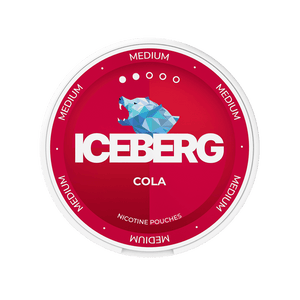
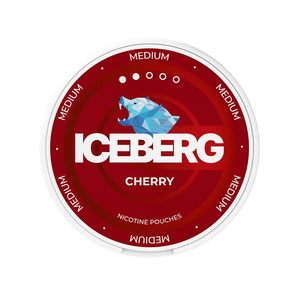
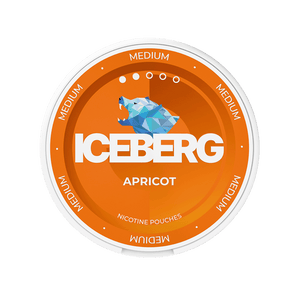
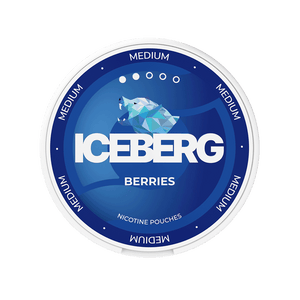
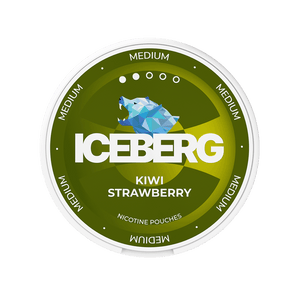


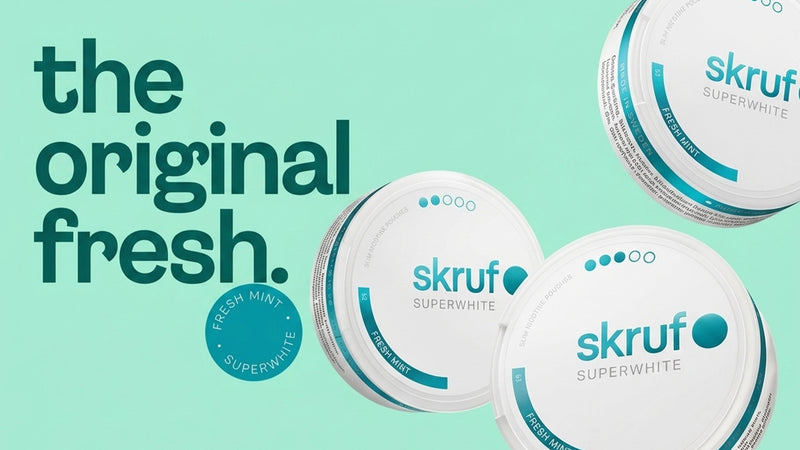


Swedish Snus is a smokeless tobacco product from Scandinavia. Placed under the upper lip, it releases nicotine through the oral mucosa. Its basic ingredients include tobacco, salt and water. In common usage it is Snus often equated with tobacco-free nicotine pouches. However, these do not contain tobacco, which is why they are not legally considered tobacco products. Tobacco containing Snus However, it is subject to EU-wide sales restrictions. However, the addictive potential of nicotine and the cardiovascular effects exist with both products.
Hardly any product is as closely associated with Sweden as Snus. From dry snuff, an independent, smoke-free form of tobacco emerged in the 18th century that remains an integral part of Swedish culture to this day. Centuries later, Snus is everywhere: in football stadiums, at work, or in conversations about alternatives to cigarettes. But what exactly is Snus, how does it affect the body, and what should you look out for? This article gives you a comprehensive overview.
What is Snus? – Definition and meaning
Traditional Swedish Snus is a smoke-free tobacco product that is flavored and filled into small portion pouches. Like chewing tobacco, it belongs to the group of oral tobacco products, but differs from it in two ways: in how it is used and in how the tobacco is processed. Instead of being chewed, the moist Snus tobacco is placed under the upper lip. From there, it gradually releases nicotine and flavors, which enter the bloodstream through the oral mucosa. This happens without combustion, smoke, or the spitting associated with chewing tobacco made from cut tobacco leaves. 1
In everyday language, the terms “Snus” and “Nicotine Pouches” (also referred to as “nicotine pouches” or “All-White-Snus”) are often used synonymously. Although both Snus and Nicotine Pouches are smoke-free, technically and legally they are two different products. Snus is made from finely ground tobacco leaves and therefore contains both tobacco and nicotine. Nicotine Pouches, on the other hand, are completely tobacco-free and are usually flavored with mint or fruit. The nicotine contained in Pouches is extracted from dried tobacco plants and processed in the form of nicotine salt, free-base nicotine, or resinate. More rarely, it is produced synthetically. 2
This distinction does not change the addiction potential – nicotine remains nicotine. However, it helps to correctly classify the ingredients, legal status, and health risks of the two products.
Besides Snus and nicotine pouches, there is a third category that is often confused with them: snuff. Unlike the first two, this powdered, fermented tobacco blend is not placed under the lip, but on the back of the hand and consumed through the nose. This nasal use often triggers the urge to sneeze. So despite the similarity in name, snuff and Snus have very little in common. In its modern form, Snus has existed since the 18th century and remains an integral part of the culture in Sweden and Norway to this day. 3
Snuzone Newsletter
Newsletter
Do you like this content? Then sign up for our free NL!
By registering, you accept the privacy policy
History of Snus – From Sweden to the world
The firm place that Snus holds in Swedish culture today developed over the course of centuries. As early as around 1600, tobacco became increasingly popular — initially as a supposed remedy for various physical complaints such as colds or headaches. In the aristocratic circles of France, it gradually established itself as a stimulant, especially among the ladies of the court, for whom snuff allowed discreet consumption. From this dry snuff, once favored by the French nobility, Swedish farmers ultimately created a product all their own in the 18th century: Snus. With industrialization, what had originally been a rural home remedy increasingly developed into a mass-market product toward the end of the 19th century. One of the defining brands of that era was Ljunglöfs Ettan, whose recipe dates back to 1822. Its creator, Jakob Fredrik Ljunglöf, was considered a visionary of Snus production and introduced a revolutionary process with pasteurization. 4
As deeply rooted as Snus was in Sweden, the tradition still began to falter toward the end of the 20th century. In 1992, the EU imposed a sales ban on oral tobacco products. Precisely because Snus use is so deeply anchored in Swedish society, Sweden was the only country to negotiate an exception during the EU accession talks in 1993, which was written into the accession treaty — and still applies today.
more about the history of Snus
What does Snus look like? — Shapes and formats
The umbrella term “Snus” covers several forms of consumption. Although Snus is also offered as a loose, moist powder in cans, so-called pouches are by far the most common form today. These are pre-portioned sachets made from fine, porous nonwoven fabric that are placed directly under the upper lip. Since Snus is tobacco-based, it is usually dark brown and delivers a strong tobacco flavor. How a pouch tastes and how strong its effect is depends not only on the tobacco itself, but also on its size. The main formats are.
- Regular (Normal): the classic, slightly bulkier Pouches. It delivers a strong tobacco flavor.
- Slim: cut narrow and elongated so that the Pouches sits flat and discreetly under the upper lip — however, the slim format does not change the intensity of the flavor.
- Long-Cut: an elongated shape that fills the lip more evenly. Since Long-Cut contains longer tobacco fibers, nicotine and flavors are released a little more slowly.
- Long-Slim: combines the slim shape of the Slim-Pouches with the longer-lasting effect of the Long-Cut format.
In addition, Pouches is also distinguished by its moisture level:
- Original: the most common version. The Pouches is already moistened, which allows the nicotine to be released quickly.
- White: Here, the Pouches is dry on the outside, while the tobacco inside remains moist. Thanks to the dry outer layer, the Pouches lasts longer and drips less.
- Dry White: an even drier variant than White – here, both the Pouches and the tobacco are heavily dehumidified, which makes the effect come on more gently and almost completely prevents leaking.
The Snus pouches are usually packaged in a round plastic can with a so-called Combi-Lid (also called Double-Lid). This is a split lid: one part is used to open the can, while the other forms a separate compartment where used pouches can be stored until disposal later on.

As shown in the image, common Snus cans have a separate compartment integrated into the lid where used Pouches can be stored.
What is in Snus? Ingredients explained
Besides shape and packaging, there are also precise regulations governing the contents of a Snus pouch.
The permitted ingredients and additives as well as the labeling of traditional Snus are defined in the Swedish Food Act (SFS 2006:804), under which Snus is classified as a food product. 5 Enforcement of this regulation is governed by Ordinance (LIVSFS 2024:2), which replaced the previously applicable Ordinance LIVSFS 2012:6. 6 Due to this legal classification, Snus is subject to the same hygiene, manufacturing, and ingredient standards as common food products such as fruit or vegetables.
Originally, Snus consisted only of air-dried tobacco, salt, and water. Over time, additional ingredients such as humectants, alkalizing agents, and flavorings were added to make the product more durable and refine its taste. 7 Today, in addition to tobacco and water, the usual components mainly include salts (sodium chloride and sodium bicarbonate), humectants such as glycerin and propylene glycol, as well as flavorings.
Sodium chloride is more than just a flavor carrier, as it also affects the release of nicotine from the Pouches. Sodium bicarbonate is responsible for absorption, creating a slightly alkaline pH value of around 8. At this value, nicotine is increasingly present as a free base and can therefore be absorbed more effectively by the body. The humectants regulate the consistency of the tobacco and prevent it from drying out. 8
Nicotine Pouches, on the other hand, contain no tobacco. The active ingredient is pure nicotine in the form of nicotine salts. According to manufacturers, microcrystalline cellulose, various salts, citric acid, flavorings, and in some cases sweeteners are also added. 11
Snus varieties – an overview
As already described, Snus can be differentiated into tobacco-containing Snus and tobacco-free Nicotine Pouches (nicotine pouches). Both product groups are available in numerous flavors, from classic tobacco flavor to mint and menthol, all the way to fruit aromas like citrus or berry. In addition to product type and flavor, Snus and Nicotine Pouches can also be categorized by their Nicotine strength. This is divided into different levels and stated in mg/g, both for tobacco-containing Snus and for tobacco-free nicotine pouches. The classification of Nicotine strength is based either on a manufacturer-specific scale or on descriptive terms. Examples include:
- Nicotine-free (0 mg/g): Snus without nicotine - the ideal alternative for anyone who wants to enjoy the Snus experience without nicotine and without tobacco.
- Light (1-<5 mg/g): low Nicotine content, suitable for beginners or people with low nicotine consumption.
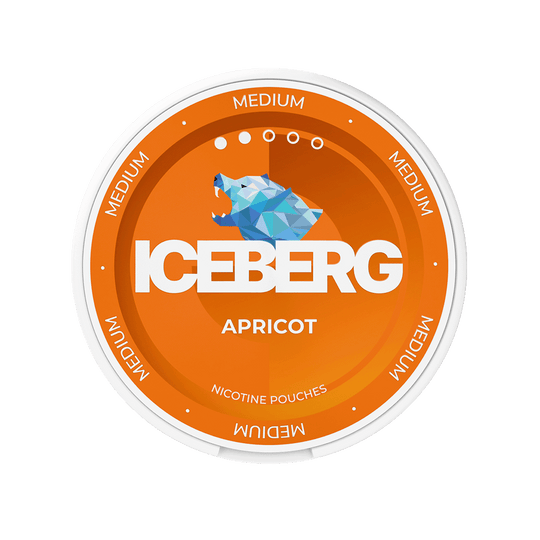
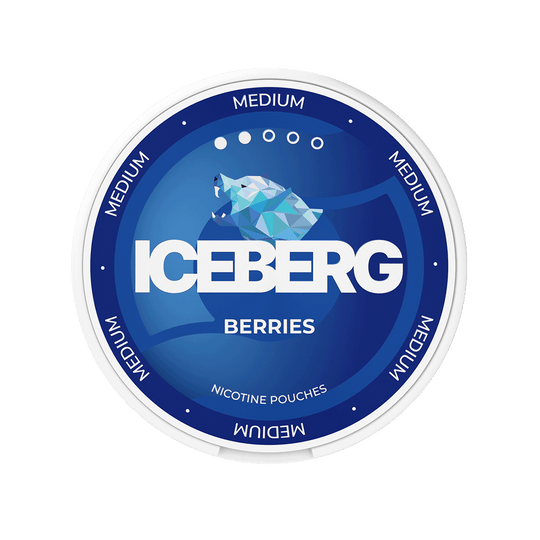
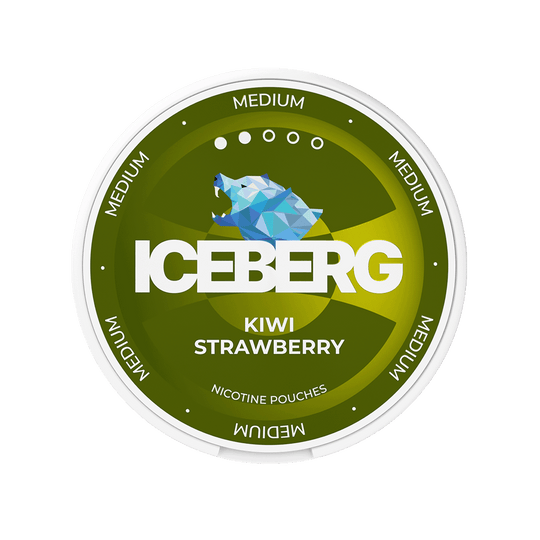
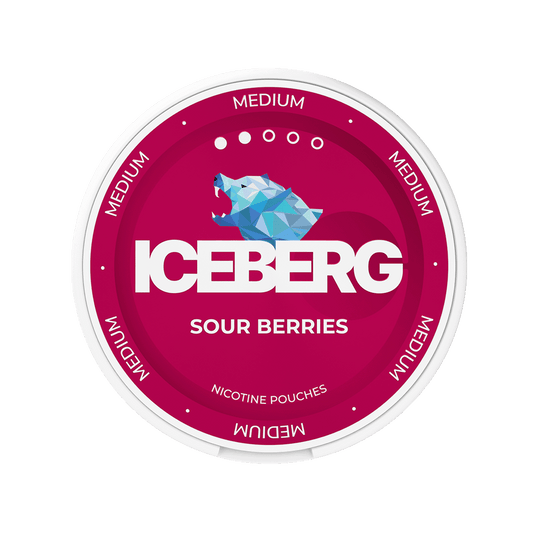
- Medium (6-9 mg/g): moderate Nicotine content, ideal for former light to medium smokers who want to switch to a smoke-free alternative.
- Stronger (10-14 mg/g): noticeably stronger Nicotine content for users with some experience.
- Extra Strong (15-20 mg/g): high Nicotine content, suitable for regular or experienced users, such as former heavy smokers.
- Ultra Strong (21-65 mg/g): very high Nicotine content, exclusively for experienced consumers – not suitable for beginners.
When assessing a product, not only the Nicotine content but also the perceived strength is crucial. Influencing factors include the moisture of the Pouches, the flavor, the shape, and the pH value. Another distinction from Snus is the group of nicotine-free alternatives. Since they contain no nicotine, the strength classification does not apply here.
Among experienced and advanced users, the ultra-strong varieties with the highest Nicotine content are especially popular. You can find a selection of them here:
How does Snus work? – Snus effects
The reason factors like moisture and pH value influence the perceived strength lies in how the body absorbs nicotine. While nicotine from smoking reaches the bloodstream and brain through the lungs within just a few seconds, with Snus it is absorbed through the oral mucosa – without combustion, without inhalation, and without passing through the lungs 12. The salt it contains helps maintain the pH value in the mouth and thereby supports the absorption of nicotine through the mucosa. 13
Once the nicotine enters the bloodstream, it stimulates the nicotinic acetylcholine receptors. These are found in both the central nervous system and the autonomic nervous system and normally respond to the body’s own messenger substance acetylcholine. Nicotine mimics this signal and triggers a range of reactions in the body, depending on the dose. Among other things, it causes the release of dopamine and increases blood pressure and heart rate. With higher exposure, symptoms such as increased salivation and a slowed heart rate may also occur. 14
The release kinetics of nicotine depend on the pH level and the moisture of the pouch. The following applies: The moister the Snus, the faster the nicotine is released. The drier the Pouches, the more evenly and over a longer period of time the nicotine is released. A moist original Pouches therefore releases nicotine faster than a dry white-dry Pouches.
Bioavailability can also be quantified. With 8 mg nicotine pouches, at least 50% of the nicotine is released after 59 minutes, while the nicotine plasma concentration of Swedish Snus of the same Quantity reaches its peak after an average of 63 minutes. The half-life is 109 minutes (Nicotine Pouches) and 114 minutes (Swedish Snus). 14
Snus Nicotine content – What’s inside?
How much nicotine ultimately takes effect therefore depends heavily on the specific product and the starting amount. The Nicotine content is usually stated in milligrams per gram or per Pouches and varies considerably depending on the variety, format, and manufacturer. General statements would therefore be misleading.
However, a US study on Snus from Northern Europe and the USA provides concrete reference points. The pouch weights of the 64 snus products examined from 10 different manufacturers ranged from 0.33 to 1.13 g, while the Nicotine content of the samples ranged from 6.81 to 20.6 mg/g. A comparison of peak blood levels shows that actual absorption also depends on the product type: an 8 mg Nicotine Pouches reached 18.5 ng/ml, while a Swedish Snus of the same Quantity reached 21.2 ng/ml. 14 To put these values into perspective, it helps to look at how much nicotine a cigarette contains.
This leads to two conclusions. First, Snus does not have a uniform effect profile, as the filling quantity, format, and Nicotine content can differ significantly from product to product. Second, nicotine absorption differs even with the same filling quantity, depending on whether it is tobacco-free Nicotine Pouches or tobacco-containing Snus. For a well-informed purchase decision, it is therefore worth paying attention to the stated Nicotine content per Pouches – together with a realistic assessment of your own nicotine tolerance. If you have never consumed nicotine before, you should know: There is no “safe” starter level. Any nicotine consumption carries a risk of addiction.
more info on Snus Nicotine content
Snus side effects – What can happen?
Anyone who uses smokeless tobacco should be aware that it is just as addictive as smoking. This addiction has both a physical and a psychological component. On a physical level, nicotine binds to specific receptors in the brain known as nicotinic acetylcholine receptors (nAChR). Activating these receptors triggers the release of various neurotransmitters that create a feeling of well-being and thus encourage continued use. The psychological component develops because regular use becomes linked to certain situations and sensations. Over time, the familiar situation alone can trigger the craving for nicotine. 16
In addition to nicotine addiction, other health risks associated with smokeless tobacco have also been documented. These include, among others:
- Increased cancer risk: Depending on the product, the carcinogenic substances in smokeless tobacco products can contribute to oral and esophageal cancer. One of the common carcinomas diagnosed in smokers and snus users is also pancreatic carcinoma. 9
- Impaired oral health: Due to direct contact with the gums and oral mucosa, Snus use can promote gingival recession (receding gums) and oral leukoplakia (whitish changes in the oral mucosa). 15
- Nicotine poisoning: In the event of an overdose, the nicotine it contains can trigger poisoning symptoms such as nausea or breathing difficulties. How high the individual threshold is depends on factors such as body weight, nicotine tolerance, and route of absorption. Regardless of this, any nicotine overdose is a medical emergency. 9
- Increased risk of stillbirth during pregnancy: An analysis of the Swedish birth register for the years 1999 to 2006, covering around 610,000 births, found that snus users had approximately a 1.6 times higher risk of stillbirth compared to non-users 14. In addition, increased risks of premature birth and preeclampsia (pregnancy-related high blood pressure) were identified. 9
- Reproductive toxicity: Nicotine is able to cross the placenta throughout the entire pregnancy, meaning the protective barrier that is actually meant to shield the unborn child from harmful substances. The nicotine concentration in the placenta, in the amniotic fluid, and in the blood of the fetus is even higher than in the mother's blood. 14
Is Snus harmful?
Given these risks, the question arises as to how dangerous Snus actually is compared to other tobacco products, especially cigarettes. Cigarettes themselves are the most harmful: in Germany, smoking is blamed every year for the premature deaths of around 127,000 people. 16
According to the German Cancer Research Center (DKFZ), the health risk posed by smokeless tobacco products such as Snus is lower than that of cigarettes, but they are by no means risk-free. The key difference lies in the combustion process: cigarettes contain more than 70 carcinogenic substances, most of which are only produced when the tobacco is burned. Since Snus is not burned but simply placed in the mouth, combustion toxins such as tar or carbon monoxide are eliminated. This particularly reduces the risk of cardiovascular disease compared to smoking. However, it should be noted that tobacco-containing Snus still contains nicotine as well as carcinogenic, tobacco-specific nitrosamines. In addition, its use is associated with an increased risk of oral, esophageal, and pancreatic cancer 17.

Although the lungs are not affected when using snus, unlike when smoking cigarettes, a certain level of risk remains - as mentioned above. And this applies especially to tobacco-containing Snus, which - precisely because it still contains tobacco - promotes oral, esophageal, and pancreatic cancer via tobacco-specific, so-called carcinogenic (that is, cancer-causing) nitrosamines.
According to the German Cancer Research Center, 28 proven carcinogens can be identified in smokeless tobacco products such as Snus. 9 However, a study of 34 smokeless tobacco products sold in the US in 2015 showed clear differences: moist snuff and Swedish Snus had lower TSNA concentrations (carcinogenic compounds) than dry snuff and chewing tobacco. That said, Snus is not free of these compounds. 10 Nicotine Pouches, on the other hand, contain no tobacco and therefore no tobacco-specific nitrosamines (TSNA).
The relevant comparison is not only “Snus versus cigarettes,” but also “Snus versus no nicotine use.” And here, the picture is quite clear: compared to people who neither smoke nor use nicotine, snus users have an increased health risk. This is supported by a pooled analysis of eight cohort studies, which showed increased mortality among Snus users in Sweden 14. Accordingly, the DKFZ supports maintaining the EU-wide sales ban, as there is currently no convincing scientific evidence that smokeless tobacco products help with tobacco cessation. In addition, the DKFZ warns against dual use - meaning the simultaneous use of Snus and cigarettes. 9
Is Snus a drug?
According to the World Health Organization (WHO), a drug is any active substance that can alter the functions of a living organism and is not a food. In everyday language, however, the term is often defined differently. In that sense, drugs primarily refer to intoxicants - substances and preparations that can cause intoxication or trigger a dependency syndrome. 18
From a pharmacological perspective, the classification is clearer: the key active ingredient in Snus is nicotine, which belongs to stimulants, a class of psychoactive substances that stimulate the nervous system. Nicotine stimulates the nicotinic acetylcholine receptors in the nervous system and triggers a release of dopamine. It does not have a hallucinogenic effect, however. So Snus is not a psychedelic drug either – just like cigarettes. 14
Accordingly, the only substance that could classify Snus as a drug is nicotine – regardless of whether the product contains tobacco or not. However, this difference does matter when it comes to risk potential: in tobacco-containing Snus, the carcinogenic nitrosamines are present in higher concentrations, while they are completely absent in tobacco-free nicotine pouches. In both cases, however, the following applies: since Snus is consumed smokelessly, it is less harmful than cigarettes – both for the consumer and for the people around them, as there is no secondhand smoke. The conclusion is therefore: if you use the general description of drugs given at the beginning, Snus can be classified as a drug because it contains addictive nicotine. However, the health risk is lower than with smoking.
Read more about Is Snus a drug?
Is Snus legal? Legal situation in Germany
Legally speaking, whether a product contains tobacco makes a major difference. The legal situation for traditional, tobacco-containing Snus is clear: its sale is banned throughout the EU – with the exception of Sweden. The basis for this is the European Tobacco Products Directive 2014/40/EU (TPD), which came into force in 2014 and was transposed into German law in 2016 through the Tobacco Products Act (TabakerzG) and the Tobacco Products Ordinance (TabakerzV). 19 The TPD regulates the manufacture, presentation, and sale of tobacco products. This means that both the sale and the gifting of Snus are prohibited in Germany.
What does this mean in concrete terms for people in Germany? Legally, a strict distinction must be made between trading in Snus and private handling of it.
- Private possession: The private possession and consumption of Snus are not explicitly prohibited in Germany. However, based on the Quantity, it must be credible that the products are intended exclusively for personal use. 20
- Commercial sale: The commercial sale of tobacco-containing Snus is prohibited by the EU Tobacco Products Directive
- Youth protection: The Youth Protection Act and the Tobacco Products Act prohibit the sale of tobacco and nicotine products to persons under 18 years of age. 22
The situation is different for tobacco-free nicotine pouches: since they do not contain tobacco, they do not fall under the Tobacco Products Directive. A revision of the directive (often referred to as TPD3) is intended to integrate this fast-growing market segment into the EU legal framework for the first time, but is not expected before 2027 at the earliest. 21
Go to the article: is Snus legal in Germany?
Snus for beginners – How to get started
Especially at the beginning, the wide selection of Snus varieties and strengths can raise a lot of questions. First-time users should therefore focus on milder options and carefully test their own nicotine tolerance.
As a first step, it’s worth getting a clear idea of the exact way to use it. It’s very simple. To do this, take one pouch between your thumb and index finger and place it either in the center or to the side under your upper lip. It stays there without being chewed. Beginners typically keep the Pouches in for about 15 to 30 minutes, while experienced users sometimes leave it in longer. Afterwards – or as soon as the desired effect is reached – the Pouches is carefully removed and disposed of properly.
The Nicotine content is also crucial for a pleasant experience. As a beginner, you should avoid products with a Nicotine content that is too high. A good starting point is, for example, the “Light” category with a Nicotine content between 1 and 5 mg/g. For milder varieties, Slim or super-Slim Pouches offer a subtle portion size. Keep in mind that moister Pouches release nicotine more quickly, which means the “nicotine kick” sets in sooner. All White Snus and Nicotine Pouches are available in countless flavors. Taste is a personal preference, but mint or fruit varieties offer an easier introduction than classic tobacco-like aromas.
Important to note:
- Snus is not suitable for people who have not previously used nicotine products, as the risk of developing dependence is significant.
- Multiple nicotine products should never be used at the same time.
- The pouches must not be swallowed, as they are not intended for the stomach. If it does happen, read more here: What happens if you swallow snus?
to the Snus guide for beginners
Beginners who want to get a first impression can find a selection of our light varieties right here:
Where can you buy Snus?
Tobacco-free Snus, meaning Nicotine Pouches, is only available to a limited extent in physical retail stores in Germany, for example in some specialist tobacco shops and at selected gas stations. Availability depends heavily on the region and is usually much more limited compared to online retail. Nicotine Pouches are not widely available in German retail stores.
Specialized online shops, on the other hand, offer a wider selection, focusing on tobacco-free Snus and Nicotine Pouches. Their range includes numerous nicotine strengths for every need as well as hundreds of flavors , including fruity varieties, mint and menthol, as well as exotic combinations. In addition to the wide product selection, online shops also stand out for their price transparency. Clear pricing structures, bulk discounts, and free shipping from a certain order value are just as much a part of it as the option to conveniently compare different products directly with one another.
However, there are a few points you should keep in mind when choosing an online shop – the key factor is the provider’s credibility. First and foremost is a working age verification, because according to Section 10 of the German Youth Protection Act (JuSchG), nicotine products may not be sold to persons under 18 years of age – both in physical retail and in mail order sales. 22 A reputable shop therefore verifiably checks age, either during the order process in the shop or upon delivery. It must be ensured that the goods are handed over exclusively to the adult person who placed the order. Offers without any age verification are not reputable and legally problematic.
Another feature that is often overlooked is the operator’s transparency: name, address, contact details, as well as commercial register and VAT information, should be easy to find. A missing or incomplete legal notice is a clear warning sign. In addition, the product descriptions should clearly state the Nicotine content, the flavor, the format, and the strength.
Snuzone meets exactly these criteria with legally compliant age verification, transparent prices, a wide selection, and detailed information on strength, format, and flavor for every product. If you want to find the right Snus for you, the best thing to do is get a direct overview of the entire range.
Sources
- Nicotine Pouches and Snus factsheet(Last accessed on 15.07.2026)
- Nicotine Pouches vs Snus(Last accessed on 15.07.2026)
- Schnupftabak Pharmawiki(Last accessed on 15.07.2026)
- History of Nicotine Pouches(Last accessed on 15.07.2026)
- Sweden Food Act(Last accessed on 15.07.2026)
- Livsmedelsverket Snus(Last accessed on 15.07.2026)
- Chemical analysis of snus products from the United States and northern Europe(Last accessed on 15.07.2026)
- Snus Pharmawiki(Last accessed on 15.07.2026)
- Snus: Ein gesundheitsschädliches Tabakprodukt(Last accessed on 15.07.2026)
- A Survey of N'-Nitrosonornicotine (NNN) and Total Water Content in Select Smokeless Tobacco Products Purchased in the United States in 2015(Last accessed on 15.07.2026)
- Fakten zum Rauchen: Nikotinbeutel(Last accessed on 15.07.2026)
- Nikotinbeutel im Mund: So gefährdet Snus die Gesundheit(Last accessed on 15.07.2026)
- Wikipedia Snus(Last accessed on 15.07.2026)
- Gesundheitliche Bewertung von Nikotinbeuteln & Nikotinpouches(Last accessed on 15.07.2026)
- Snus und die Beeinträchtigung der Mundgesundheit(Last accessed on 15.07.2026)
- Tabakblatt Deutschland 2020(Last accessed on 15.07.2026)
- Rauchlose Tabakprodukte(Last accessed on 15.07.2026)
- Deutscher Bundestag WD 9 – 3000-201/10(Last accessed on 15.07.2026)
- Rechtliche Rahmenbedingungen für Tabakerzeugnisse und verwandte Erzeugnisse(Last accessed on 15.07.2026)
- Snus in Deutschland: Verbot, Strafen und rechtliche Risiken beim Import aus Schweden(Last accessed on 15.07.2026)
- TPD2-Evaluierung 2026: Aromenverbot, Einweg-E-Zigaretten, Nikotinbeutel — TPD3-Grundlage(Last accessed on 15.07.2026)
- Jugendschutzgesetzt (JuSchG) Deutschland(Last accessed on 15.07.2026)
- RICHTLINIE 2014/40/EU(Last accessed on 15.07.2026)
- Gesetz über Tabakerzeugnisse und verwandte Erzeugnisse(Last accessed on 15.07.2026)
- Verordnung über Tabakerzeugnisse und verwandte Erzeugnisse(Last accessed on 15.07.2026)






Leave a comment