



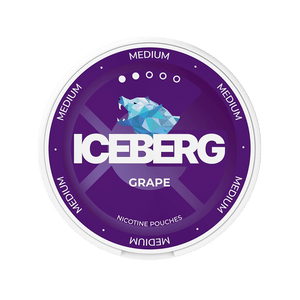
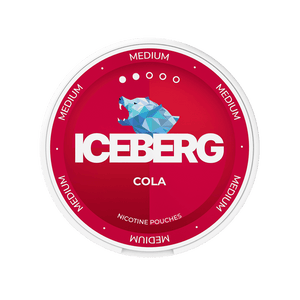
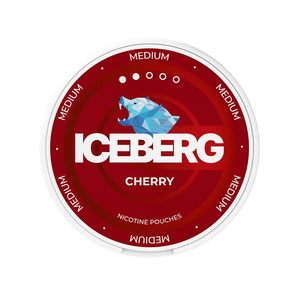
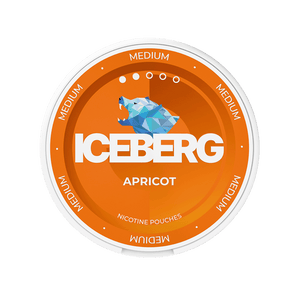





No, caffeineSnus contains neither nicotine nor tobacco, its active ingredient is caffeine. Although the format is similar to that of traditional Snus (a Pouches under the lip), but the active ingredient, addictive potential and risk profile are fundamentally different. More traditional Snus and Nicotine Pouches However, they contain nicotine, which is considered highly addictive.
The market for Nicotine Pouches is developing rapidly and giving rise to a product category that surprises many people at first: caffeine Snus. These Pouches are designed to deliver a quick and discreet energy boost – without brewed coffee or an opened energy drink. As their popularity grows, consumer questions naturally follow: Is this the same as regular Snus, just without nicotine? And what does caffeine do in a Pouches that you place under your lip? Is the effect comparable to that of an energy drink, and is it even permitted in Germany? You’ll find the answers here.
What are caffeine & energy Snus? Definition and ingredients
In practice, the terms “energy Snus” and “caffeine Snus” often mean the same thing: both are portioned Pouches made from plant fibers that are placed under the upper lip and require no smoke or vapor. In terms of form and use, they are therefore similar to conventional tobacco-containing Snus or tobacco-free nicotine pouches, which are also referred to as “nicotine pouches” and are likewise worn under the upper lip.
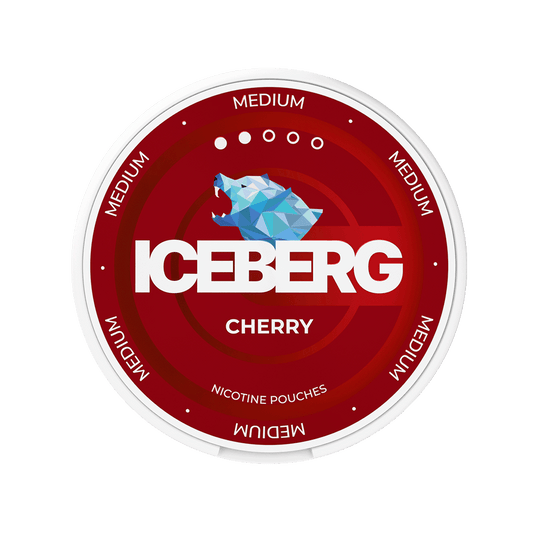
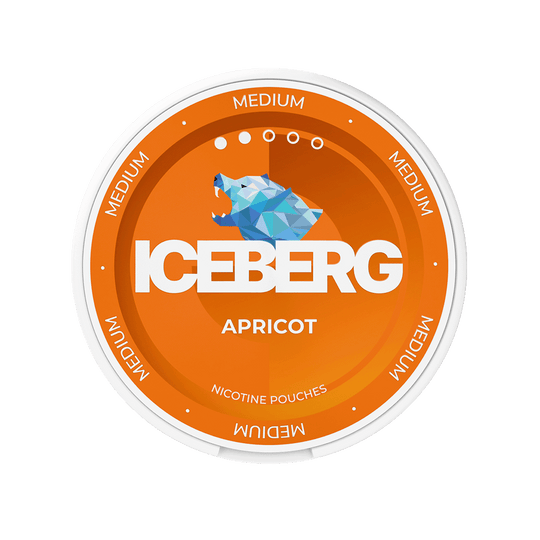
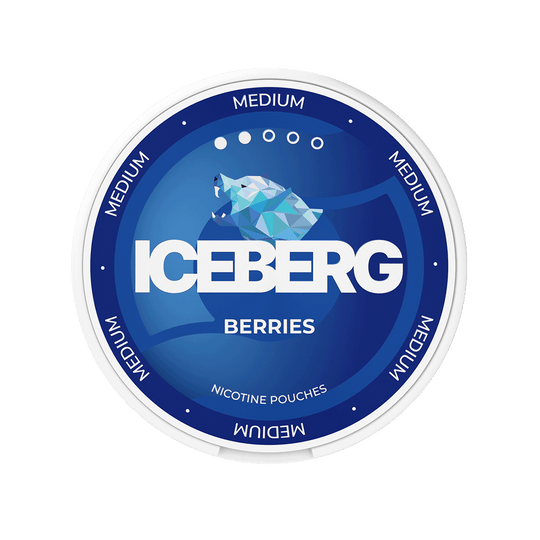
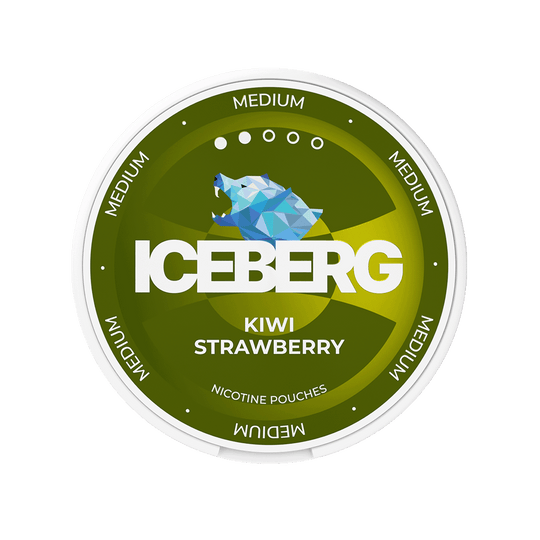
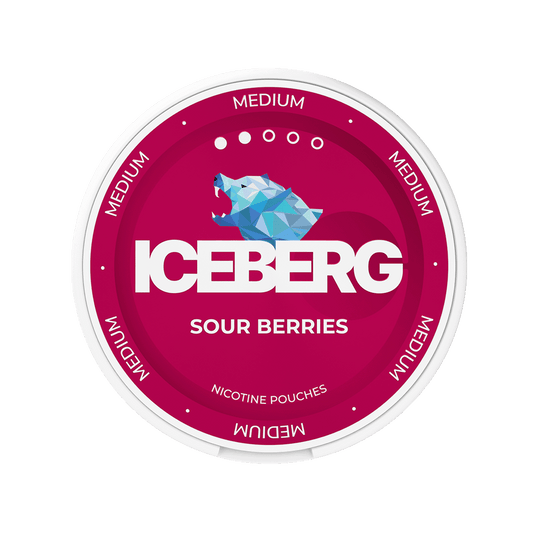
Here’s a selection of our most popular Nicotine Pouches:
The key difference, however, lies in the active ingredient. Traditional Snus is a finely ground tobacco product containing nicotine, offered either as portion snus or loose tobacco powder. In everyday language, “Snus” and Nicotine Pouches, which are also referred to as “nicotine pouches” or “all-white Snus,” are often used synonymously. The latter contain no tobacco at all, but still contain nicotine. Caffeine Snus contains neither. The name refers solely to the delivery format: a pre-portioned Pouches placed in the upper lip fold, where it gradually releases its active ingredient. This enters the bloodstream through the oral mucosa – with no combustion and no smoke. You can learn more about what Snus is or about the different Snus varieties in our detailed guide.
Instead of an active ingredient derived from the tobacco plant, each small, pillow-shaped Pouches contains finely dosed caffeine.1 The carrier material typically consists of plant fibers or microcrystalline cellulose, a purified filler made from plant material. Salts, humectants such as glycerin, pH regulators — substances that control acidity — and flavorings are also added. Depending on the brand and variety, the Pouches may be enriched with additional ingredients, such as taurine (an amino acid commonly found in energy drinks and believed to enhance the effect of caffeine), vitamins B5, C, and D, as well as the minerals magnesium, zinc, and selenium.2, 3 18
The absence of nicotine and tobacco has concrete consequences for the product’s effect, addictive potential, and legal status. Nicotine Pouches were primarily developed for nicotine consumers. Caffeine or energy pouches, on the other hand, are aimed at people who prefer consuming caffeine rather than nicotine, or who want to reduce or completely stop their nicotine intake without giving up the familiar pouch format.
How do caffeine and Energy Snus work?
As one of the oldest known psychoactive substances, caffeine has long been associated with alertness and energy.4 Chemically speaking, caffeine is an alkaloid, meaning a naturally occurring nitrogen-containing compound. It is found in coffee beans, tea leaves, and cocoa beans, among other things, and is normally consumed through caffeinated foods and drinks. In addition, there are products that contain caffeine in isolated form, such as food supplements.13
With caffeine Snus, the active ingredient enters the body in a different way: the small Pouches are placed between the upper lip and gum and release their caffeine directly into the bloodstream. Once in the body, caffeine wakes us up by blocking the adenosine receptors – binding sites that normally respond to the body’s own messenger substance adenosine, which makes us feel tired. When caffeine binds there, the tiredness signal can no longer take effect. A study by the Institute of Neuroscience and Medicine (INM) shows just how strong this effect is: as few as four to five cups of coffee are enough to block around 50 percent of these receptors.5
This leaves the question of how quickly caffeine Snus works. Here, however, the information varies depending on the manufacturer – from just a few minutes to half an hour. The reason the effect kicks in so quickly is the route of absorption: with caffeine Snus, the caffeine enters the bloodstream directly through the oral mucosa.
It’s worth taking a closer look at what happens in the brain during this process.
The mechanism of action in detail
A key role here is played by the messenger substance adenosine. It promotes sleep and dampens the activity of nerve cells, gradually causing tiredness. Caffeine has a similar molecular structure to adenosine and therefore fits the same binding sites, known as adenosine receptors. It occupies them without activating them, thereby blocking the tiredness signal. At the same time, this blockage causes increased release of dopamine, noradrenaline, and acetylcholine, which the body needs to function properly. The result is increased activity of the nerve cells and a greater feeling of alertness.6
In addition, caffeine indirectly stimulates the limbic system, the area of the brain responsible for emotions and memory, among other things. This can increase attention, concentration, and cognitive performance.6 A mechanism already familiar from drinking coffee.
Oral mucosa instead of the stomach
So what is the biggest difference between caffeine Snus and coffee? It comes down to the way it is absorbed. When drinking coffee, the caffeine is first absorbed through the stomach and small intestine before entering the bloodstream.4 How long this takes depends on stomach contents, digestive activity, and individual factors, so it can vary. From there, the caffeine crosses the blood-brain barrier almost unhindered, quickly reaches the brain, and acts on the central nervous system.7 Caffeine has a very high bioavailability, which means that a large proportion of the active ingredient is actually available to the body after digestion. The maximum blood concentration is reached after around 30 minutes.8
With a caffeine pouch, the caffeine is absorbed through the oral mucosa and enters the bloodstream directly. This completely bypasses the stomach and small intestine — and therefore also the so-called first-pass metabolism. In this process, an active substance that is swallowed is already partially broken down in the intestines and liver on its first journey through the body, before it can even take effect.9
This process is comparable to nicotine pouches: For 8 mg nicotine pouches, the German Federal Institute for Risk Assessment (BfR) found a nicotine absorption rate of around 50 percent. Some pharmaceutical dosage forms, such as orally disintegrating tablets, also work in this way.10
Snuzone Newsletter
Newsletter
Do you like this content? Then sign up for our free NL!
By registering, you accept the privacy policy
Use and duration of effect
Using caffeine-Snus is no different from using classic Snus or nicotine pouches: You take out one Pouches, place it between your upper lip and gum, and leave it there. After 20 to 40 minutes, the Pouches will have released most of its active ingredients. Then remove it and dispose of it properly. Many cans have a small compartment in the lid where you can dispose of used Pouches while on the go. You can find more information on proper use in our article: How do you use Snus?
So how long does the effect of Snus actually last? While the effect of nicotine usually starts to wear off after just one to two hours, caffeine has a noticeably longer effect — often three to five hours, and sometimes even longer. However, exactly how long the stimulating effect lasts also depends on the product’s formulation. In general, the effect of caffeine-Snus begins within 5 to 15 minutes and can last 4 to 6 hours depending on the formulation. Pure caffeine pouches tend to have a shorter duration of effect. Products that combine caffeine with plant-based stimulants such as theacrine or methylliberine, on the other hand, can extend the duration of effect, as these substances are broken down more slowly by the body and therefore have a longer half-life.9
How much caffeine is in the Pouches? Comparison with coffee and energy drinks
Depending on the variety and brand, the caffeine content in energy pouches usually ranges between around 40 and 80 mg per Pouches.11 For context, it helps to look at the official recommendations: A 2015 risk assessment by the European Food Safety Authority (EFSA) generally classifies a single dose of up to 200 mg of caffeine as safe for adults. That corresponds to about two cups of filter coffee, two cans of energy drink, four cups of tea, or five cans of cola.12
The following overview shows how the caffeine content of a pouch compares specifically to other caffeinated products:
| Product | Serving unit | Caffeine per Portion (approx.) * |
| Caffeine/Energy-Snus | one Pouches | typically 40–80 mg, stronger 100 mg |
| Filter coffee | one cup (200 ml) | 90 mg |
| Espresso | one cup (60 ml) | 80 mg |
| Energy drink | one can (250 ml) | 80 mg |
| Black tea | one cup (200 ml) | 45 mg |
| Cola drink | one can (330 ml) | 35 mg |
| Green tea | one cup (200 ml) | 30 mg |
| Cocoa drink | one cup (200 ml) | 8–35 mg |
*All figures are approximate, as the caffeine content may vary
Sources: 13, 14
This means that a single pouch is roughly in the same range as a cup of filter coffee or a can energy drink. If you’ve already had two cups of coffee in the morning and then use a caffeine Snus, you’re already approaching the safe single dose of 200 mg. However, the caffeine content varies depending on the brand and variety. Stronger versions contain around 70 to 80 mg, extra-strong ones up to 100 mg per Pouches. In that case, just one additional cup of coffee is enough to reach the guideline value.11
Based on the EFSA risk assessment from 2015, the BfR also recommends a maximum total daily intake of 400 mg. However, this only applies to healthy adults. Possible harmful effects of caffeine for certain groups, such as people with pre-existing conditions, were explicitly not assessed in the EFSA report.13 When using caffeine Snus, you should therefore keep an eye on your total caffeine intake – including coffee, tea, and energy drinks.
Nicotine and caffeine: What happens when they are consumed at the same time?
Caffeine Snus are nicotine-free. However, if you also smoke, there is one connection you should know: Smoking significantly speeds up the breakdown of caffeine in the body – in some cases even doubling it. However, this is not caused by nicotine and its effects in the body, but by certain components of tobacco smoke. These stimulate the enzyme in the liver that breaks down caffeine. If you’d like to know how long nicotine stays in the body, you may also want to read: How long does nicotine stay in the body?
 |
This becomes particularly relevant in practice when quitting smoking or switching to nicotine-free products: Since nicotine impairs the body’s ability to absorb caffeine, a smoker needs more coffee than a non-smoker to get going. So if you quit smoking without changing your coffee habits, you may suddenly react much more strongly to the same amount of caffeine – up to and including heart palpitations, restlessness, or sleep problems.15 |
A clinical study by the Medical School of Athens involving 160 healthy participants points to another interaction: smoking and caffeine intensify each other’s effects and harm the elasticity of blood vessels — both in the short term and with regular use. Since stiff blood vessels are considered a risk factor for cardiovascular disease, the combination of caffeine and nicotine can place a long-term strain on vascular health.16 An analysis of 86 studies on nicotine withdrawal, caffeine withdrawal, and caffeine poisoning also suggests that the respective symptoms are so similar that they can easily be confused.17
Are caffeine & energy Snus harmful? Risks and dosage recommendations
These interactions mainly affect combined use with nicotine. Considered on its own, caffeine Snus is classified as comparatively low-risk when consumed in moderation and within the recommended daily dose, as it is tobacco-free and nicotine-free and therefore contains no tobacco-specific nitrosamines (TSNAs) — the carcinogenic compounds found in tobacco smoke and smokeless tobacco. However, that does not mean it is entirely without risk: caffeine has its own physiological effects, which can become relevant in cases of overdose or for certain risk groups.
Dosage recommendations according to the BfR/EFSA
The EFSA risk assessment serves as a guide for the right dosage. Here is an overview of the key reference values for healthy adults:
- Single dose: up to 200 mg of caffeine (Equals around 3 mg per kilogram of body weight)
- Daily dose: up to 400 mg of caffeine for habitual consumption
- Pregnant and breastfeeding women: a maximum of 200 mg of caffeine per day
A pouch with 80 to 100 mg of caffeine is therefore below the safe single dose. However, if other caffeinated products are consumed as well, caution is advised, as even an additional espresso or a cup of filter coffee can significantly increase the amount. In addition, these values are only guidelines, as they may vary depending on individual sensitivity, body weight, and metabolism.
If you are not used to much caffeine, it makes sense to start with a product in the lower caffeine range and pay attention to how your body reacts. A gradual adjustment is especially important here. How quickly caffeine takes effect and is broken down varies from person to person. It is processed and broken down in the liver before being excreted through the kidneys — the duration of this process can vary from one individual to another.13
When does caffeine become dangerous — and who is it not suitable for?
Caffeine stimulates both the cardiovascular system and the central nervous system. In moderate amounts, this leads to increased alertness, improved concentration, and better physical performance. However, if the intake is too high, the effect can reverse: side effects such as nausea, trembling, heart palpitations, inner restlessness, and nervousness may then occur.
But when is it considered an overdose? Consuming around one gram (1,000 mg) can already cause clear symptoms of poisoning: these range from sweating, gastrointestinal issues, and nausea to a severely accelerated pulse and heartbeats outside the normal rhythm, all the way to circulatory problems and, in extreme cases, circulatory collapse. Insomnia and, in some people, anxiety are also among the effects of consuming too much caffeine. Important to know: in older people, children, and people who are not used to caffeine, such symptoms can occur at much lower amounts. Doses are only considered life-threatening from around 5,000 to 10,000 mg.18 Such amounts are hardly achievable through caffeine-Snus alone, but caution is advised when combined with energy drinks, high-dose caffeine supplements, and coffee.
The following groups of people should avoid caffeine-Snus or seek medical advice beforehand.
- Pregnant and breastfeeding women (a total of no more than 200 mg of caffeine per day is recommended)
- Children and adolescents
- People with heart disease or cardiac arrhythmia
- People with a known sensitivity to caffeine
Are caffeine & energy Snus legal in Germany?
Unlike tobacco-containing Snus, the sale of which is prohibited in Germany, caffeine-Snus can be purchased completely legally. The legal difference results from the composition: since caffeine-Snus contains neither tobacco nor nicotine, it falls under neither the German Tobacco Products Act (TabakerzG) nor the EU Tobacco Products Directive (TPD 2014/40/EU).
These regulations apply exclusively to products containing tobacco and nicotine. For example, Section 11 of the German Tobacco Products Act (TabakerzG) – the German implementation of Article 17 of the TPD – prohibits the placing on the market of tobacco-containing Snus.19 Caffeine pouches are not covered by this, as they are subject to general food law. This has specific consequences for labeling. The EU Food Information Regulation (FIR), which has applied since 13 December 2014, distinguishes between beverages and solid foods. For beverages with a high caffeine content (over 150 mg/l), the label "Contains caffeine. Not recommended for children or pregnant or breastfeeding women." must be stated.20 In both cases, the caffeine content must also be indicated. Whether caffeine-Snus is classified as a fortified food, food supplement, or other food depends on its presentation, ingredients, and dosage.21 You can read more about what is permitted in Germany in our article on is Snus legal in Germany?
Sources
- Caffeine Pouches: Your Complete Guide to Caffeine Pouches. (Last accessed on 12.08.2026)
- Apotheken Umschau: Taurin – Wirkung im Körper und als Nahrungsergänzung(Last accessed on 12.08.2026)
- Snusdirect: Koffein-Snus vs. Kaffee und Nikotinbeutel(Last accessed on 12.08.2026)
- Everyday Health: Are Caffeine Pouches a Safe Way to Get an Energy Boost? (Last accessed on 12.08.2026)
- Forschungszentrum Jülich (INM-2): Wo Koffein im menschlichen Gehirn wirkt
- Gelbe Liste: Coffein – Wirkstoffprofil und Wirkmechanismus(Last accessed on 12.08.2026)
- brand eins / Kaffee in Zahlen: Wie Kaffee im Körper wirkt(Last accessed on 12.08.2026)
- Dare Pouch: Caffeine Pouches vs. Coffee – Which Hits Better? (Last accessed on 12.08.2026)
- Takeroon: How to Use Caffeine Pouches(Last accessed on 12.08.2026)
- Bundesinstitut für Risikobewertung (BfR): Gesundheitliche Bewertung von Nikotinbeuteln (Nikotinpouches)(Last accessed on 12.08.2026)
- Energypouches.de: Wie viel Koffein steckt in Energy-Pouches? Der große Vergleich(Last accessed on 12.08.2026)
- Bundesinstitut für Risikobewertung (BfR): Koffein-Kick mit Risiko (Presseinformation)(Last accessed on 12.08.2026)
- Bundesinstitut für Risikobewertung (BfR): Fragen und Antworten zu Koffein und koffeinhaltigen Lebensmitteln einschließlich Energydrinks(Last accessed on 12.08.2026)
- Snusdiscount: Koffein-Snus(Last accessed on 12.08.2026)
- Nicotinell: Koffein und Nikotin(Last accessed on 12.08.2026)
- Vlachopoulos C. et al.: Combined effect of smoking and caffeine on arterial stiffness (PubMed)(Last accessed on 12.08.2026)
- Swanson J.A. et al.: The relationship between caffeine and nicotine withdrawal (ScienceDirect)(Last accessed on 12.08.2026)
- gesundheit.de: Koffein – Wirkung, Dosierung und Nebenwirkungen(Last accessed on 12.08.2026)
- Lebensmittelinformationsverordnung(Last accessed on 12.08.2026)
- Sind Koffein Pouches und Energy Pouches in Deutschland legal? (Last accessed on 12.08.2026)





Leave a comment