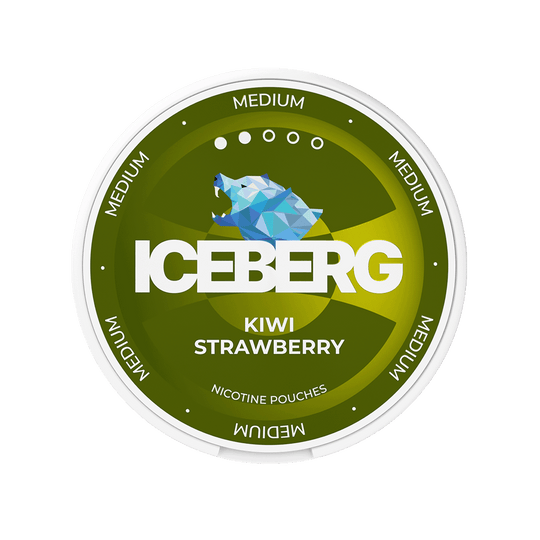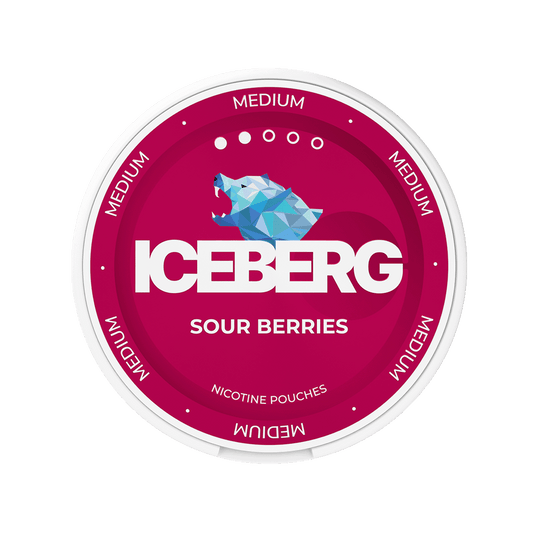



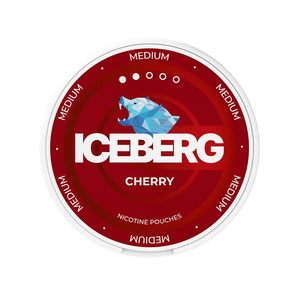
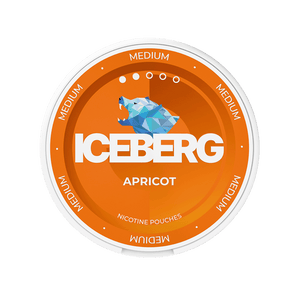
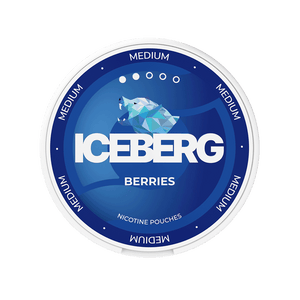
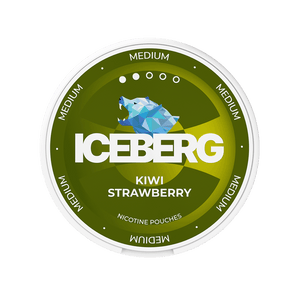




We offer Snus, Nicotine pouches and nicotine pouches as proven alternatives to chewing tobacco or chewing tobacco Snus. The main difference is that nicotine pouches are tobacco-free and therefore eliminate some harmful side effects. They consist of plant fibers, flavors, water, starch and nicotine.
Chewing tobacco Alternatives Selection
What is chewing tobacco?
Chewing tobacco goes by various names, such as oral tobacco or Priese. This is tobacco that is processed in its pure form and often prepared with additives such as flavorings. In contrast to cigarettes and vapes, the active ingredient nicotine is absorbed and delivered through the oral mucosa.
Difference between chewing tobacco and Snus?
both Snus Both chewing tobacco and chewing tobacco represent forms of smokeless tobacco, but have some differences:
Shape and application:
- Snus: This variant generally consists of a moist, loose tobacco mixture packaged in small, inconspicuous packets. It is usually placed between the upper lip and gum without being chewed.
- Chewing tobacco: In contrast, chewing tobacco is usually available in solid portions or as a loose product. It is either chewed or held in the mouth.
Manufacturing process:
- Snus: The manufacturing process of Snus involves a special fermentation of the tobacco, which is different from the production of chewing tobacco.
- Chewing tobacco: Chewing tobacco is not usually fermented, but undergoes other processing steps to achieve the desired consistency and flavors.
Nicotine absorption:
- Snus: Nicotine is mainly absorbed through the mucous membranes in the oral cavity.
- Chewing tobacco: Nicotine is absorbed by chewing or holding it in the mouth.
Regional distribution:
- Snus: This form of tobacco has a strong tradition in Scandinavia, particularly in countries such as Sweden, Norway and Denmark.
- Chewing tobacco: Chewing tobacco is consumed in various forms around the world, with preferences varying depending on the region.
Both products are often seen as alternatives to smoking as they avoid exposure to smoke.
Chewing tobacco and nicotine strength?
The strength of chewing tobacco can vary from product to product as it is influenced by various factors. The strength essentially depends on the amount of nicotine contained in the chewing tobacco. Nicotine levels are often expressed in milligrams per gram (mg/g) of tobacco.
There are different varieties of chewing tobacco, ranging from mild to strong. Some products are specifically designed as entry-level products with low nicotine levels, while others are available for experienced users with higher nicotine concentrations.
Effect of chewing tobacco
The effects of chewing tobacco are mainly mediated by the main active ingredient, nicotine. Here are some of the effects associated with the consumption of chewing tobacco:
- Stimulant effect: Nicotine has a stimulating effect on the central nervous system. It can temporarily increase attention, concentration and alertness.
- Relaxing effect: Although nicotine has a stimulating effect, it can also have a relaxing effect. Many people report that the consumption of chewing tobacco can reduce stress and bring about a certain degree of relaxation.
- Appetite suppression: Nicotine can suppress appetite, which may cause people who use chewing tobacco to eat less.