



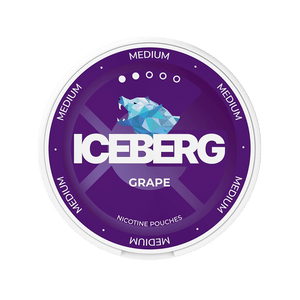
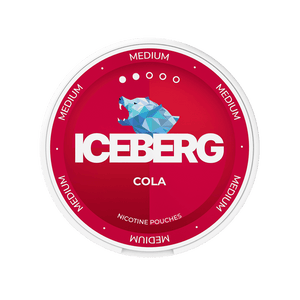
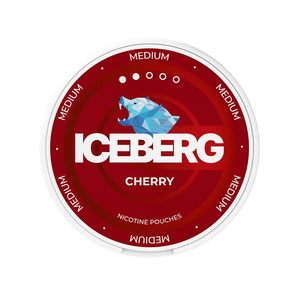
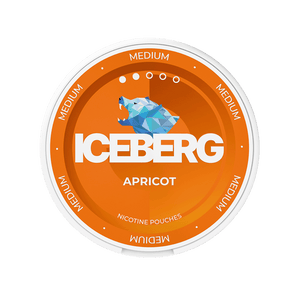
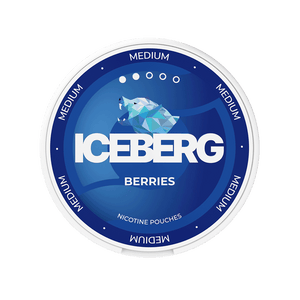
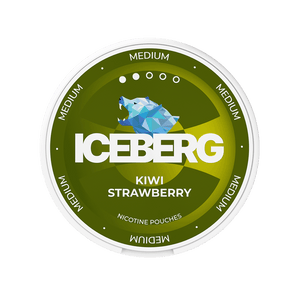


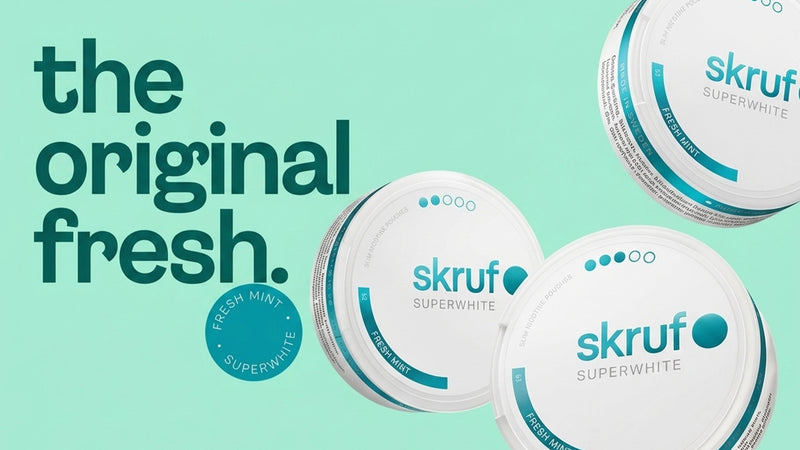


White Snus is a tobacco-free one Nicotine Pouches made from cellulose, nicotine salt and flavors. Tobacco leaves are not used - however, the nicotine itself is obtained from the tobacco plant. It is placed Pouches under the upper lip, from where the nicotine enters the bloodstream via the oral mucosa. The product owes its name to the white color of the pouch - a clear counterpart to the brownish traditional tobacco Snus.
Discreet, handy, smoke-free and without any tobacco smell – yet still with nicotine: Nicotine Pouches are increasingly showing up on sports fields, at work, and across social media. Depending on the community, they go by different names. “White Snus", “Nicotine Pouches", “nicotine pouches” or “nicopods” - they all refer to the same product: small white pouches that release nicotine through the oral mucosa.
But what ingredients are these Pouches made of? What health risks have been documented – and why is the difference between “tobacco-free" and “nicotine-free" so important? How does White Snus differ from classic Swedish Snus, and how does German legislation classify the product? This article gets to the bottom of these questions.
What is White Snus? Definition and origin
White Snus has its roots in a long Scandinavian tradition. In Swedish, it is simply called "Vita Snus" - white Snus. The original version is the classic Swedish "brown Snus" - a tobacco-containing product with a centuries-long history. However, the tobacco-free version has now caught up: in 2025, the use of nicotine pouches among the Swedish population as a whole was just as widespread as that of tobacco-containing Snus – with one striking difference in distribution. Nicotine Pouches are especially popular among women and young adults, while brown Snus tends to be more common among men and older consumers.2
Where does the term “White Snus” come from – and what does it actually mean? The answer literally lies in the color: unlike traditional tobacco Snus, these Pouches are white because no tobacco is used. One distinction is worth making here: tobacco Snus also comes in a “White Portion” version – a Pouches with a dry, white surface. The difference, however, lies in the contents: “White Portion” still contains tobacco, whereas “White Snus”, also known as "All White", is used today to refer to tobacco-free Nicotine Pouches. In practice, though, the similar naming often leads to confusion.

A White Snus Pouches consists of a nicotine-containing powder blend based on plant fibers, supplemented with salts, citric acid, humectants and flavorings.3 The tobacco is missing, but the nicotine remains – it is delivered not through tobacco leaves, but through plant-based carrier substances such as cellulose and salts.
White Snus vs. classic Snus: what’s the difference?
The key difference between the two products can be summed up in one word: tobacco. Classic Swedish "White Portion Snus" is made from finely ground tobacco leaves mixed with salt, water, and, where applicable, additional flavorings. It is placed under the upper lip, but not smoked. White Snus or Nicotine Pouches, on the other hand, contains no tobacco leaves at all. Instead, plant fibers serve as the carrier material for extracted or synthetically produced nicotine. What may sound like a marginal difference has far-reaching consequences for the ingredients, appearance, and legal classification of the product.
|
Feature |
White Snus |
Classic tobacco Snus |
|
Contains tobacco leaves |
No |
Yes |
|
Pouch color |
White |
Brownish |
|
Source of nicotine |
Extract from the tobacco plant |
Naturally contained in tobacco |
|
Tooth staining |
Low |
More pronounced |
|
Legal status in Germany |
Sale not permitted |
Likewise not freely available for sale (EU Tobacco Products Directive) |
|
Addiction potential |
Present |
Present |
If there is no tobacco in Pouches – where does the nicotine actually come from? The answer surprises many people: usually from the tobacco plant itself. A "tobacco-free" Pouches is therefore by no means nicotine-free; it simply does not contain tobacco leaf material. The term "tobacco-free" therefore only describes the absence of tobacco leaves, not the absence of nicotine or tobacco-derived raw materials.
>> You may also like to read: What is Snus? Everything important at a glance
Ingredients of White Snus
White Snus essentially contain a powder made up of nicotine salts and carrier substances. According to manufacturers' information, nicotine salts are used that are blended with, among other things, microcrystalline cellulose (plant fibers), various salts (sodium carbonate and sodium bicarbonate), citric acid, flavorings, and often sweeteners. The exact formulation is not identical across all brands.3 The Pouches themselves are made from a synthetic nonwoven material, which gives them their white color.
And what role does each individual ingredient play?
- Outer material: The outer material is typically a soft nonwoven structure made from plant fibers such as cellulose or related materials. Its purpose is to enclose the formulation while maintaining the pouch's moisture during use.
- Carrier material or filler: The carrier or filler gives the contents of the pouch structure. Microcrystalline cellulose (plant fibers) is often used for this, providing shape and volume. The carrier material absorbs nicotine salt and flavorings, but is not itself an active ingredient. It should not be confused with the material of the outer pouch, even though both are of plant origin.
- Flavorings and sweeteners: Flavorings create the stated taste profile of a nicotine pouch, such as mint, citrus fruits, Berries, or unusual flavor combinations. Sweeteners, on the other hand, only control the sweetness and round off the flavor.
- pH regulators: Nicotine Pouches contain alkalizing agents that deliberately raise the pH value of the pouch contents, shifting it into the alkaline range. Sodium bicarbonate (baking soda) is most commonly used for this. A higher pH value means that more unprotonated, or free, nicotine is present: nicotine that is not bound in salt form and can therefore be absorbed particularly quickly through the oral mucosa.4
Why do some varieties start tingling after just a few seconds, while others with a similar Nicotine content are barely noticeable? One reason may be this exact pH value: A noticeable tingling or slight burning sensation during use is often a sign of an elevated pH value and therefore of a higher proportion of free nicotine.
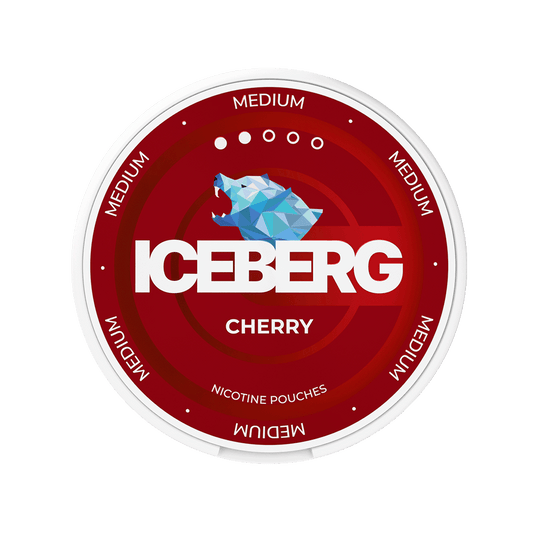
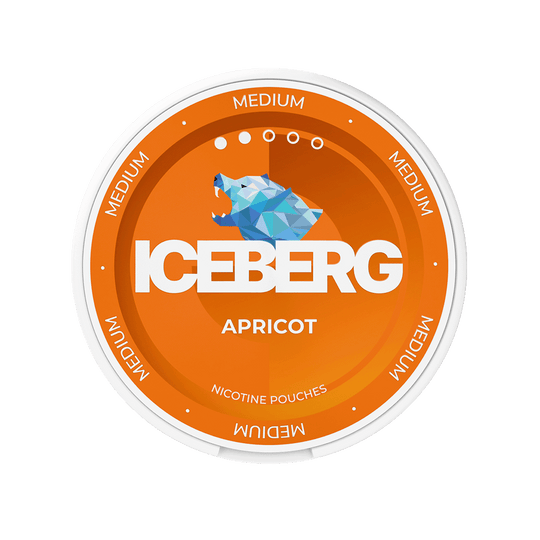
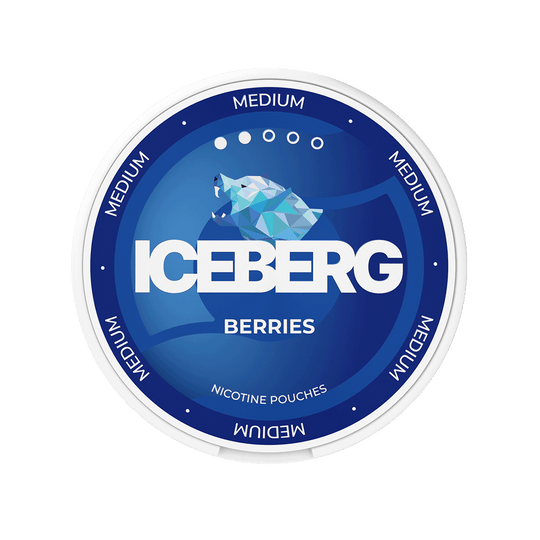
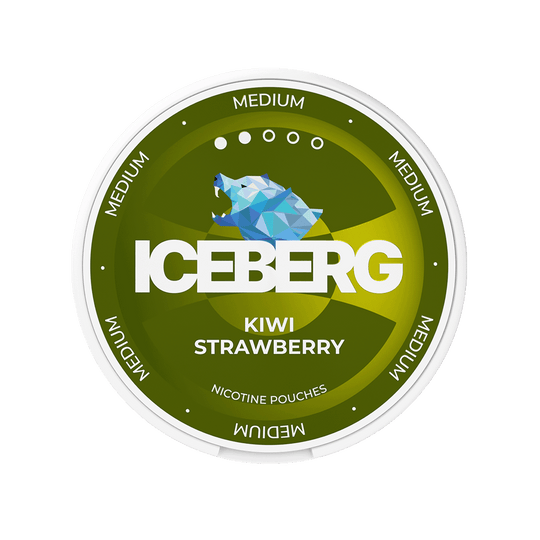
If you want to experience the ingredients described in a specific product, White Fox offers a clear go-to option in the extra strong category: these tobacco-free Nicotine Pouches focus on mint and menthol. You can find a selection of the products here:
How do you use White Snus?
Using it is straightforward and does not require any special prior knowledge. The following steps show you how to use White Snus correctly:
Step 1: Preparation
Wash your hands thoroughly before touching the Pouches – this prevents germs from getting onto the Pouches and into your mouth.
Step 2: Placement
Take a Pouches out of the can and place it under your upper lip, between your lip and gum. Whether you place it in the center or to the side is up to you – both positions work equally well.
Step 3: Keep it in place
The Pouches stays in the desired spot for around 15 to 60 minutes. During this time, saliva releases the nicotine or nicotine salts as well as other soluble ingredients such as flavorings from the Pouches.
Step 4: Disposal
After use, you take the Pouches out of your mouth – similar to chewing gum – and dispose of it. Many cans have an integrated compartment in the lid for used Pouches.
How does the nicotine get into the body?
Some of the nicotine is absorbed directly through the oral mucosa and enters the bloodstream that way. This route is slower than inhaling cigarette smoke, which means the rise of nicotine in the blood is less abrupt. However, the addictive potential remains. Another part of the nicotine enters the bloodstream through the gastrointestinal tract with the swallowed saliva, leading to an even slower but longer-lasting increase in nicotine levels. In the brain, nicotine causes an increased release of dopamine, a neurotransmitter involved in motivation and reward. This triggers pleasant and calming sensations – similar to smoking – known as the “reward effect.” The effect of nicotine in the brain is therefore the same as with a cigarette; only the route it takes is different. Anyone who assumes that White Snus is harmless just because there is no smoke is overlooking exactly this point: nicotine itself.8
 With White Snus, nicotine enters the body in two ways: one part is absorbed directly into the bloodstream through the oral mucosa, while another part enters through the gastrointestinal tract with swallowed saliva. Compared with inhaling cigarette smoke, this causes nicotine levels in the blood to rise more slowly - but the addictive potential remains unchanged.
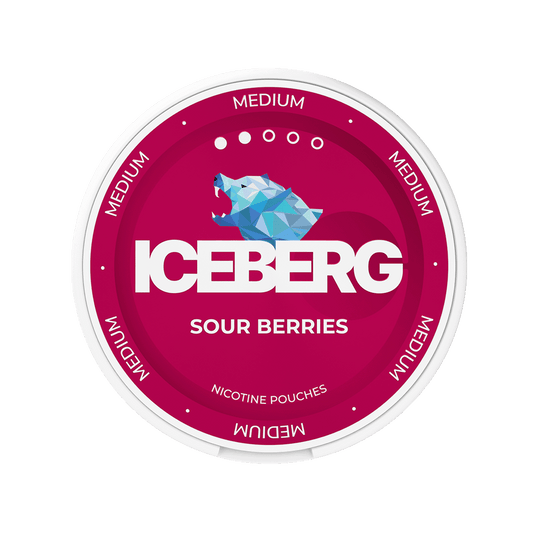
White-Snus-Pouches are available in different formats. Slim and mini formats are designed for a less visible fit under the lip. Nicotine strength is stated in mg/g or mg/Pouch and is usually classified into levels. For Snuzone, the scale ranges from nicotine-free (0 mg/g) to light (1–5 mg/g), Medium (6–9 mg/g), strong (10–14 mg/g), and Extra Strong (15–20 mg/g), up to Ultra Strong (from 22 mg/g). You can read more about this in: How to use Snus correctly
Nicotine content and addictive potential
Enjoying nicotine without tobacco or smoke – that’s what Nicotine Pouches stand for. But how high is the Nicotine content of White Snus really, and how great is the addictive potential?
Nicotine is one of the substances with the highest addiction potential and is often underestimated. In studies, the German Federal Institute for Risk Assessment (BfR) showed that at least half of the nicotine contained in a Pouches can be absorbed by the body – the products examined had a Nicotine content of up to 8 milligrams per Pouches.9
The same BfR laboratory analysis also provides specific data on Nicotine content: the 44 Nicotine Pouches purchased online were examined for weight, Nicotine content, pH value, and TSNA content. The result shows a considerable range: On average, one Pouches weighed 0.6 g and contained 9.48 mg of nicotine. The highest Nicotine content was 47.5 mg per Pouches, while the lowest was 1.79 mg. According to the BfR, Nicotine Pouches can exceed the acute reference dose – that is, the Quantity that, according to the BfR’s assessment, can be consumed within one day without any identifiable health risk.9 A US study of 64 Snus products from Northern Europe and the USA came to a similar conclusion: pouch weights ranged from 0.33 to 1.13 g per Pouches, and the Nicotine content ranged from 6.81 to 20.6 mg/g.10
The German Federal Institute for Risk Assessment (BfR) particularly warns the following groups of people against nicotine consumption:
- Pregnant and breastfeeding women,
- People with cardiovascular diseases,
- Non-smokers,
- Children and adolescents.11
It is also important to note: White Snus is not an approved smoking cessation aid. This means it has not been tested and approved as a medicinal product like nicotine patches or nicotine gum from the pharmacy. A systematic review from 2025 showed that Nicotine Pouches can reduce cigarette consumption similarly to Snus and nicotine gum. However, there is no statistically robust evidence that they increase the smoking cessation rate, meaning an effect that could be clearly distinguished from chance.12
>> You may also like to read: What is Snus – effects and impact
If you want to understand how the Nicotine content in a Pouches compares to that of a cigarette, you’ll find the figures clearly broken down here: How much nicotine is in a Nicotine Pouches compared to a cigarette?. And if you want to learn more about nicotine dependence and what’s behind it: Nicotine addiction and dependence
Health risks of White Snus
No tobacco, so no tobacco-specific harmful substances either? It’s not quite that simple. Since nicotine is usually extracted from the tobacco plant, traces of tobacco-specific nitrosamines (TSNAs) may still be present in White Snus. TSNAs are carcinogenic compounds, meaning they can cause cancer, which are formed during the fermentation of tobacco leaves. However, these traces are significantly lower in White Snus than in cigarettes. In a laboratory analysis by the German Federal Institute for Risk Assessment (BfR), tobacco-specific nitrosamines were detected in 26 of 44 Nicotine Pouches products from 20 manufacturers, with a maximum value of 13 nanograms of N-nitrosonornicotine (NNN) per Pouches. NNN is one of the most strongly carcinogenic TSNAs. For comparison, 1,900 nanograms of NNN were found in the unburned tobacco of a single cigarette, for example. The authors nevertheless call for their complete elimination.6
The effects of nicotine as a substance have also already been studied in depth.
- Cardiovascular system: Nicotine raises blood pressure and heart rate and can increase the risk of thrombosis, meaning the formation of blood clots in the blood vessels. The risk of certain cardiovascular diseases is also increased.13
- Oral health: Although the Pouches are not smoked but placed between the gum and lip, regular use can disrupt the natural balance in the mouth, irritate the tissue, and lead to inflammation.14
-
Overdose: Increasingly, there are reports from real-world use of overdoses that can lead to nicotine poisoning. Typical symptoms of poisoning range from nausea, vomiting, trembling, and sweating to circulatory collapse. If such symptoms occur, you should always consult a doctor immediately or go to the emergency room.13
Nicotine is an addictive substance with proven effects on the heart and circulatory system - regardless of the form in which it is consumed.
How should these risks be assessed in comparison to cigarettes? With nicotine pouches, there is no tobacco smoke or combustion by-products, which means the lungs are not exposed to the same strain. As the BfR laboratory analysis shows, tobacco-specific nitrosamines are found only in trace amounts, if at all. The approach of reducing health risks by switching to a less harmful alternative without requiring complete abstinence is known as harm reduction. However, it would still be wrong to equate this with being “healthy,” because nicotine remains an addictive substance with its own effects on the heart and circulatory system. In addition, there are still no reliable studies on the long-term effects of nicotine pouches.
>> You may also like to read: Nicotine poisoning: Symptoms and risks
Legal situation in Germany
Nicotine Pouches are currently not approved for sale in Germany – This is explicitly stated by the German Cancer Research Center (DKFZ).5
Since Nicotine Pouches do not contain tobacco, they do not fall under the German Tobacco Products Act. Instead, the responsible state control authorities classify them as “novel food,” meaning a novel food within the meaning of EU food legislation. There is currently no standardized EU approval for this category. In the EU, nicotine is not approved as a food, food ingredient, additive, or flavoring, and food products must generally not be harmful to health. For these reasons, the marketing of nicotine pouches in Germany is currently prohibited – both in brick-and-mortar retail and via German online shops.15 A uniform EU-wide regulation is not expected before 2027 to 2028 at the earliest.
This does not affect purchases via online retailers based elsewhere in the EU, as this is not prohibited for end consumers in Germany. The legal situation is clearer for tobacco-containing Snus: it is considered “tobacco for oral use” within the meaning of the European Tobacco Products Directive 2014/40/EU and, under Article 17 of the Directive, may neither be sold nor offered or supplied anywhere in the EU. However, there is no explicit ban on possession and consumption. The only exception to the commercial ban is Sweden, which secured a corresponding exemption when joining the EU in 1995 due to its long Snus tradition.16
>> You may also like to read: Is Snus legal in Germany?
What began as a Swedish tradition has long since developed into an independent product segment. White Snus contains no tobacco leaves, there is no combustion, and no smoke is produced. However, it does contain nicotine, which is absorbed through the oral mucosa and can be addictive. The data on the long-term effects of nicotine pouches remains incomplete, and the legal situation in Germany is evolving. What can be said clearly, however, is this: White Snus is a relatively young segment of a growing market. If you use it or are considering it, it's wise to get familiar with the facts.
Sources
- Tabakfreier Nikotinbeutel(Last accessed on 07.10.2026)
- CAN rapport 244 „Angaben zu Rauch- und Schnupftabakgewohnheiten 2003 – 2025“(Last accessed on 07.10.2026)
- Bundesinstitut für Risikobewertung (BfR) – Vorläufige gesundheitliche Bewertung von Nikotinbeuteln (Nikotinpouches)(Last accessed on 07.10.2026)
- Europesnus – „Woraus bestehen Nikotinbeutel? Die Rollen der Inhaltsstoffe erklärt“(Last accessed on 07.10.2026)
- Deutsches Krebsforschungszentrum (dkfz) – Fakten zum Rauchen. Nikotinbeutel(Last accessed on 07.10.2026)
- (6) Mallock, N., Schulz, T., Malke, S., Dreiack, N., Laux, P. & Luch, A. (2024). Levels of nicotine and tobacco-specific nitrosamines in oral nicotine pouches. Tobacco Control, 33(2), 193–199(Last accessed on 07.10.2026)
- Bayerisches Landesamt für Gesundheit und Lebensmittelsicherheit – Nikotinbeutel und andere oral zu konsumierende Portionsbeutel: (Last accessed on 07.10.2026)
- Stiftung Maria Ebene – Nikotinbeutel, Snus & Co(Last accessed on 07.10.2026)
- Bundesinstitut für Risikobewertung (BfR) – Gesundheitliche Bewertung von Nikotinbeuteln (Nikotinpouches): (Last accessed on 07.10.2026)
- Stanfill, S., Tran, H., Tyx, R., Fernandez, C., Zhu, W., Marynak, K., King, B., Valentín-Blasini, L., Blount, B.C. & Watson, C. (2021). Characterization of Total and Unprotonated (Free) Nicotine Content of Nicotine Pouch Products(Last accessed on 07.10.2026)
- Stiftung Warentest (2025) Nikotinbeutel. Frei von Tabak, aber nicht von Risiken(Last accessed on 07.10.2026)
- (12) Heshmati, R. et al. (2025). Nicotine pouches and clinical outcomes related to smoking cessation: A systematic review of randomized trials. Addiction(Last accessed on 07.10.2026)
- Vivid Suchtprävention Factsheet „Nikotinbeutel. Konsum, Risiko, Rechtslage“(Last accessed on 07.10.2026)
- Zahnärzte in der Waldsiedlung: „Nikotinbeutel – Gefahr für Zähne und Zahnfleisch“(Last accessed on 07.10.2026)
- Deutscher Bundestag – Zur Legalität von tabakfreien Nikotinbeuteln in Deutschland(Last accessed on 07.10.2026)
- Richtlinie 2014/40/EU des Europäischen Parlaments und des Rates(Last accessed on 07.10.2026)






Leave a comment