



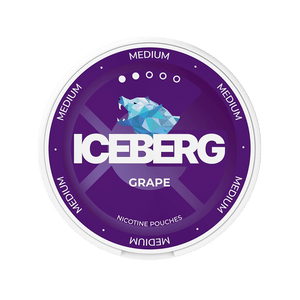
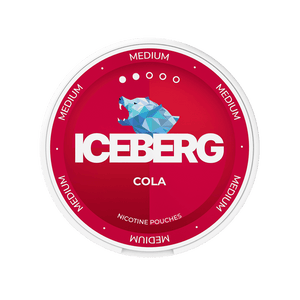
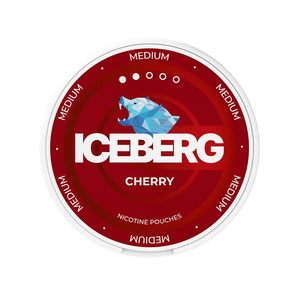
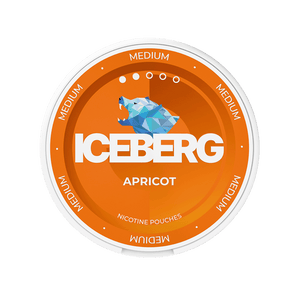
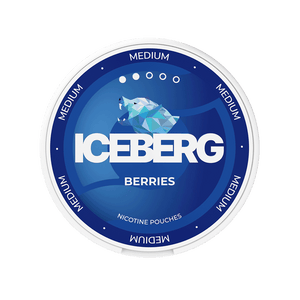
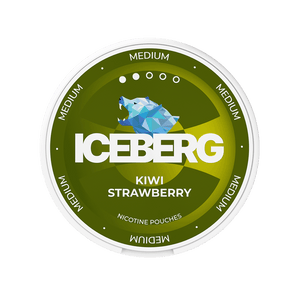


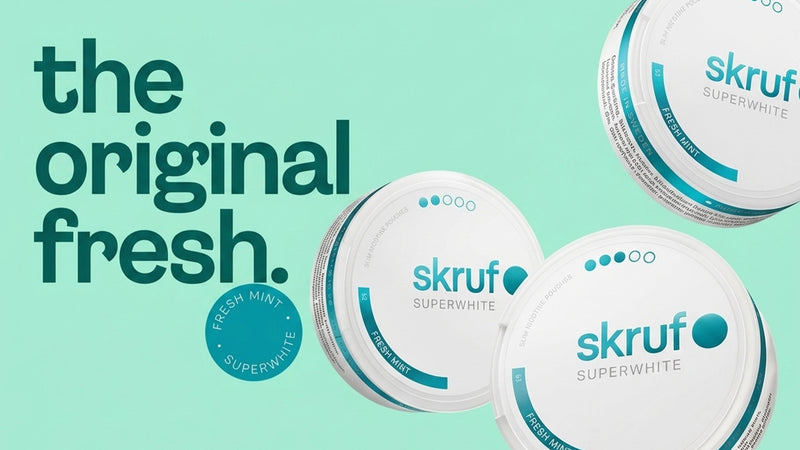


Classic Swedish Snus contains tobacco that has been pasteurized, i.e. heated. Nicotine Pouches (also called Nicotine Pouches), on the other hand, are made of vegetable fibers and do not require any tobacco. In Germany, this difference also plays a legal role: it contains tobacco Snus may not be sold outside Sweden according to the EU Tobacco Products Directive, while private use of tobacco-free nicotine pouches is permitted. The Nicotine content and the handling is similar for both products.
Originally, Snus was only available in two forms: as loose Snus made from moist powder or as portion snus in Pouches. Today, Snus is offered worldwide in so many varieties and brands that a first look at the selection can feel overwhelming. But what role does the difference between tobacco Snus and tobacco-free nicotine pouches play? What is behind terms like White Snus, caffeine Snus or CBD Snus? And which Snus varieties are actually right for you?
You’ll find all the answers here – clearly structured by type, ingredient and strength, so you know what matters when choosing the right product. There is also a separate step-by-step guide on how to use it in the article How do you use Snus?
Snus with tobacco
The original version that gave it its name is classic Swedish Snus, in other words Snus with tobacco. It is a finely ground tobacco product that is placed under the upper lip and not smoked. Swedish Snus is made from ground tobacco leaves mixed with salt and water. In addition to the typical tobacco aroma, other flavourings may also be included. Unlike many other smokeless tobacco products, the tobacco in Swedish Snus is not fermented but pasteurised, meaning heated, to extend its shelf life.1
Swedish Snus can generally be divided into two different types. The traditional and oldest type is loose Snus, a moist tobacco powder from which consumers shape their own portions before use. This takes a bit of practice, but allows for slightly more precise control over the amount of Quantity consumed. The more common form today is so-called portion snus. These are pre-portioned pouches that usually contain 0.5 to 1 g of tobacco.2
The legal status of tobacco Snus in Germany is clear. It is classified as “tobacco for oral use” within the meaning of the Tobacco Products Directive 2014/40/EU (TPD), and its placing on the market, meaning sale, distribution and offering, is prohibited EU-wide under Article 17 of the Directive. There is, however, no explicit ban on possession and consumption.3 The only exception to the commercial ban is Sweden. Due to its long Snus tradition, the country negotiated a corresponding exemption when it joined the EU in 1995. Anyone wanting to buy tobacco-containing Snus elsewhere in the EU will therefore quickly run into legal limits – whether loose or pre-portioned.
>> You may also like to read: Snus in Germany – what is allowed and what is prohibited?
Snus without tobacco (White Snus)
With Snus without tobacco, often also referred to as Nicotine Pouches, nicotine pouches or nicopods, we are dealing with a completely different product. The most important difference compared to classic Snus lies in the contents: instead of tobacco, Nicotine Pouches contains a nicotine-containing powder blend combined with plant fibres as a carrier material, along with various salts, citric acid, humectants and flavourings.4
In addition, nicotine pouches contain virtually no tobacco-specific nitrosamines – in other words, those carcinogenic compounds that are bound to tobacco.5
The absence of tobacco is significant not only from a health perspective, but also from a legal one. Since the EU Tobacco Products Directive (2014/40/EU) is linked to the presence of tobacco, Nicotine Pouches have so far not been covered by it. In Germany, they instead fall under food law and are classified as “novel food.”6 A uniform, EU-wide regulation – often referred to as TPD3 – is not expected before 2027/2028 at the earliest.
Because of this classification, the commercial sale of nicotine pouches in Germany is effectively prohibited, both in physical retail and via German online shops. However, purchasing from online retailers based in other EU countries is not affected by this.
In connection with nicotine pouches, another term often comes up: “White Snus”, also called “All White.” In everyday language, this is often used to mean all tobacco-free Nicotine Pouches, since they contain no tobacco. Strictly speaking, however, “All White” describes a specific format: a dry Pouches that is less heavily pre-moistened. Compared to the classic original-Portion-Snus, it releases less liquid and therefore sits more discreetly under the lip. An even drier version is the “Dry White,” whose Pouches contains almost no moisture. As a result, the nicotine is generally released more slowly and evenly, and the effect lasts longer. The following applies to all formats: only with proper storage does the quality of the Snus remain intact.
Another difference compared to Snus with tobacco is the greater variety of flavors: while classic Swedish Snus often tastes like tobacco or mint, tobacco-free Nicotine Pouches are available in many different flavors – from mint and menthol to sweet or sour fruit and berry aromas, all the way to unusual varieties like cola or coffee.
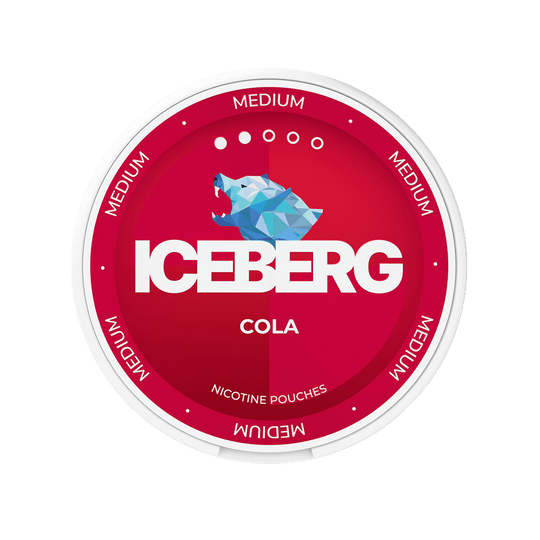
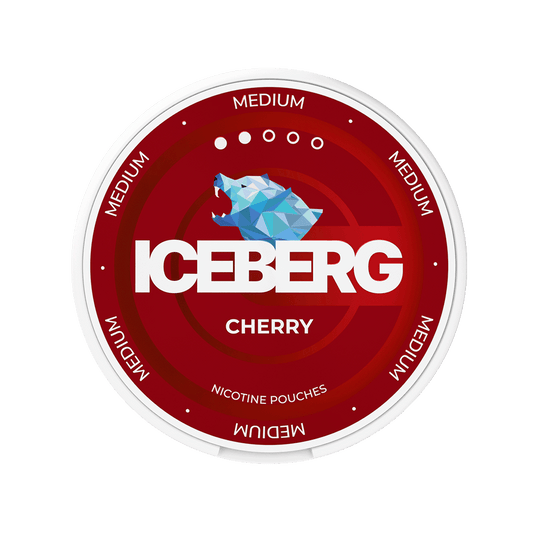
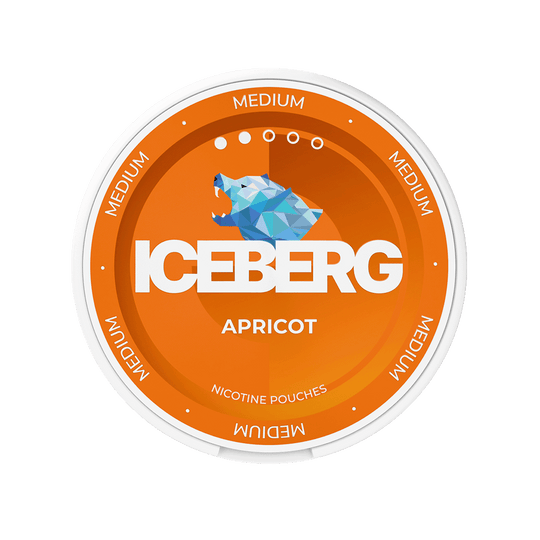
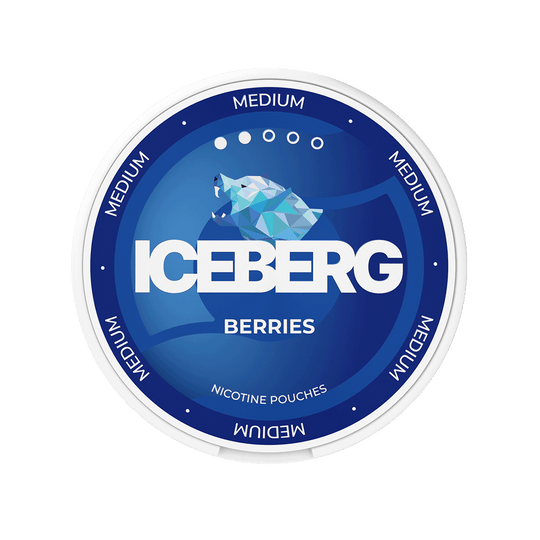
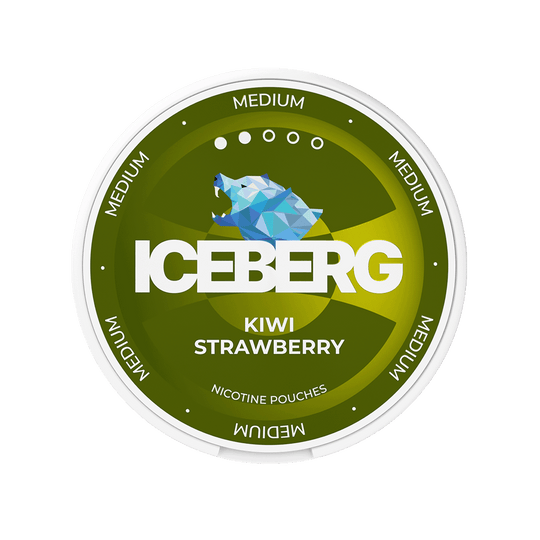
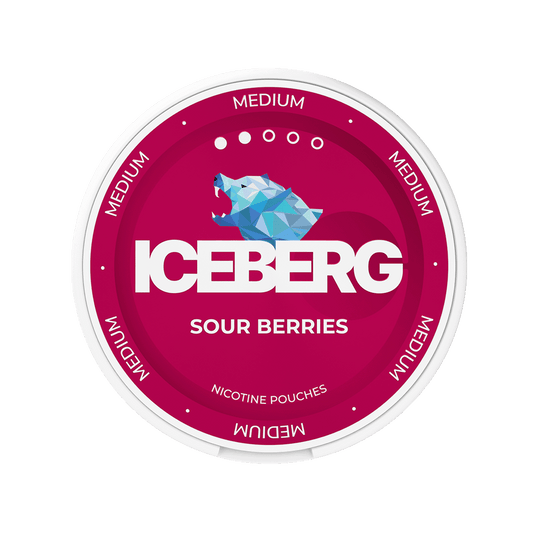
Here you’ll find a selection of the most popular tobacco-free Snus at snuzone:
Snus with nicotine
Alongside flavor-related aspects, the Nicotine strength should always also be taken into account. Since Snus is primarily consumed for nicotine intake, nicotine-containing Snus makes up the majority of the market. The range extends from very low to very high nicotine contents. This makes it all the more important to consider your own nicotine tolerance before choosing a strength. A study by the German Federal Institute for Risk Assessment (BfR) shows just how much the values can actually vary: in 44 nicotine pouches from different manufacturers, weighing between 0.38 and 1.1 g per Pouches, a Nicotine content between 3.04 and 17.90 mg per pouch was measured; according to manufacturers’ information, some individual products even reach up to 50 mg per Pouches.4 The average value in the BfR study was 9.5 mg per Pouches.8
Strength classes at a glance
To make it easier for consumers to find their way around this wide range, the Nicotine content is divided into strength classes. However, the scales and labels may vary depending on the provider. At snuzone, the range is structured by Nicotine content in mg/g into six clearly defined strength categories (plus a 7th nicotine-free option). The overview also shows who the respective products are suitable for:
| Strength class | Nicotine content (mg/g) | Typical target group |
| Nicotine-free | 0 mg/g | Former Snus or nicotine users, or anyone looking to reduce their nicotine consumption |
| Light | 1-5 mg/g | Beginners |
| Medium | 6-9 mg/g | Occasional users/smokers/vapers |
| Stronger | 10-14 mg/g | Regular use/smokers/vapers |
| Extra Strong | 15-20 mg/g | Experienced users/heavy smokers/vapers |
| Ultra Strong | 21-65 mg/g | Pros |
You can also find all strength classes at a glance here: Shop by Nicotine content
To properly assess Snus strength, not only the Nicotine content but also the perceived strength is crucial. This depends, among other things, on the pouch's moisture, the flavor, the shape, and the pH level. Read more in the article Snus strength – why Nicotine content is not the only indicator.
It should also be noted that neither the flavor nor descriptive strength labels such as “medium” or “strong” allow any conclusions to be drawn about the actual Nicotine content. The DKFZ points out that such adjectives often replace specific mg information, making it difficult for consumers to assess the actual dosage risk.8 Due to the addictive effect of nicotine and the sometimes rapid absorption from the pouches, the BfR also explicitly warns against use by non-smokers, adolescents, pregnant women, and breastfeeding women.4
Which Snus varieties are suitable for beginners?
If you already consume nicotine and want to switch to Nicotine Pouches, you should start with lighter options and cautiously test your nicotine tolerance. The “Light Snus” category is a good fit for this, as it includes products with a Nicotine content of usually 1 to 5 mg per gram. Their effect is correspondingly gentle.
Format also plays a role in the Snus effect. The Slim, Super-Slim, and Mini formats are discreet portion sizes that hardly stand out. They sit unobtrusively under the upper lip and do not create any unpleasant pressure. As soon as the Pouches are placed under the upper lip, the nicotine is absorbed directly through the oral mucosa. The pH level and the pouch's moisture are especially important in determining how much of it can be absorbed and how quickly. A high pH level ensures that more so-called uncharged nicotine is available, which in this state as a free base can be more easily absorbed by the oral mucosa. On average, 50% of the nicotine is extracted from 8 mg nicotine pouches – more than from Swedish Snus (33%) or American Snus (19%).2 Read more here: Snus effect – how does the trend from Sweden work?
Moister Pouches therefore release the nicotine more quickly, which means the nicotine kick sets in sooner. For beginners and occasional users, drier, milder Pouches that release nicotine more slowly therefore usually offer a more pleasant Snus experience. If you're looking for an alternative to classic Snus, there are now suitable options for that too.
Snuzone Newsletter
Newsletter
Do you like this content? Then sign up for our free NL!
By registering, you accept the privacy policy
Snus without nicotine
This is exactly where nicotine-free Snus comes in, which is also referred to as Snus without nicotine or nicotine-free pouches. Behind this term are various product categories that all manage without nicotine: pure zero-Pouches without any active substance, as well as variants with caffeine, vitamins, or CBD. The principle is the same as with classic Snus: the feel and handling are identical, but neither nicotine nor tobacco is used.
This type therefore appeals in particular to users who want to gradually reduce their nicotine consumption or give it up completely without having to give up the familiar ritual – the Pouches under the lip, the aroma, the mouthfeel. People without any Snus experience can also easily try nicotine-free Snus. What speaks in favor of nicotine-free Snus is obvious: since it contains no nicotine, there is no risk of physical dependence. However, nicotine-free products must not claim any healing effects either, as they do not provide any therapeutic effects.
If you like the taste, mouthfeel, and use of Snus but do not want a stimulating effect, you can find a selection of our Snus without nicotine here:
Snus brands
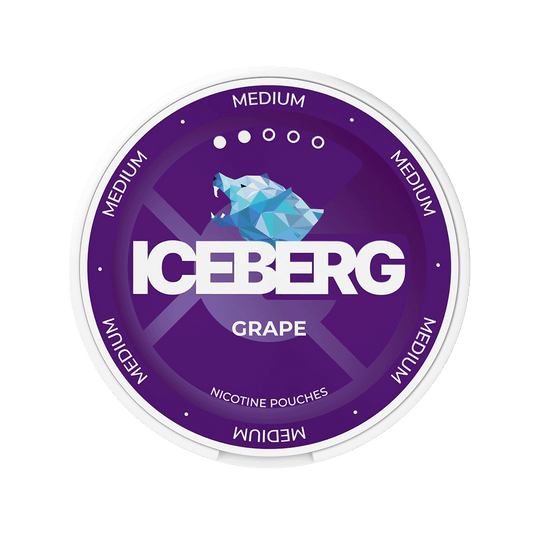
Anyone exploring the different Snus varieties currently available on the market will inevitably come across a huge range of brands. The best-known brands include Velo, Siberia, White Fox, Killa, Pablo, Klint, Iceberg, and ACE. Each of these brands focuses on its own priorities in terms of strength, format, flavor, and price, so the products can differ quite noticeably from one another.
Which Snus brand is best suited depends primarily on your own preferences: the Nicotine strength, the flavor, and the pouch size.
Energy Snus or caffeine Snus
One of the best-known variants within the nicotine-free category is the so-called energy Snus. The term is not used consistently in the market – the term caffeine Snus is also often used. However, both terms make it clear what it is about: this Snus variety is designed to deliver a quick and convenient energy kick without needing to consume energy drinks or coffee. Because instead of nicotine or tobacco, the Pouches contains caffeine, which has a stimulating effect on the central nervous system, can reduce tiredness, and can increase concentration. Typical fillers include microcrystalline cellulose (a plant-based fiber that serves as a carrier material), flavorings, humectants, and acidity regulators (additives that keep the pH value stable).9
But how does Energy Snus differ from conventional nicotine pouches? The difference lies in the purpose: instead of absorbing nicotine and accepting its addictive potential, the aim here is to achieve an energizing effect. The mechanism of action is different accordingly. While nicotine stimulates the release of dopamine – a neurotransmitter that is responsible, among other things, for the feeling of reward in the brain – caffeine works by blocking adenosine receptors, which leads to increased neuronal activity in the brain – an effect that also occurs when drinking coffee.10 However, because the caffeine is absorbed directly through the oral mucosa, the energizing effect kicks in much faster than with a cup of coffee. In addition, caffeine causes the body to release adrenaline, which in turn affects the heart's pumping power and heart rate.11 As with any caffeinated product, moderate use is important here as well in order to minimize possible side effects.
 |
Caffeine/energy-Snus is a comparatively new product. That's why the selection is still smaller than for nicotine pouches at the moment. Even so, the same is true here: the range is growing steadily. The varieties already available cover numerous flavors such as mint, cola, melon, or lemon. |
CBD Snus
Another innovative product is CBD-Snus. CBD stands for cannabidiol, one of many components of the hemp plant. Unlike THC (tetrahydrocannabinol), another component of the hemp plant, CBD does not have an intoxicating, psychoactive effect. This fundamentally distinguishes it from products containing THC. CBD-Snus also contains no nicotine or tobacco.13
However, the legal situation in Germany is complex and is determined by two sets of regulations. On the one hand, there is an upper limit for the THC content: since the cannabis reform, industrial hemp has been subject to an upper limit of 0.3%, up to which handling it is unproblematic under criminal law.15 On the other hand, CBD is considered a “novel food” in the EU and therefore requires approval under Regulation (EU) 2015/2283 before it may be sold as a food product.16 Claims about effects are not permitted here either.
This exact approval is still missing, as a final Novel Food approval for CBD extracts by the European Food Safety Authority (EFSA) is still only in process. What does that mean specifically for CBD-Snus? It may currently not be sold as a food product. Its distribution therefore exists – similar to CBD oils – in a legal gray area. However, possession and consumption by consumers are largely unproblematic.
THC-Snus
The situation is different again with THC-Snus. This Snus variety refers to Pouches that contain the psychoactive substance of the cannabis plant, tetrahydrocannabinol (THC). THC affects the central nervous system and the mind, producing both desired effects such as relaxation and potentially risky effects. Since the Cannabis Act came into force on April 1, 2024 (in Germany), cannabis is no longer classified as a narcotic and therefore no longer falls under the Narcotics Act. Instead, the handling of recreational cannabis has since been regulated under the Consumer Cannabis Act (KCanG).17
 |
THC-Snus – since the Cannabis Act of April 1, 2024, no longer regulated under the Narcotics Act, but under the Consumer Cannabis Act (KCanG). However, the commercial sale of THC-containing Snus products remains prohibited in Germany. |
This creates only limited exceptions relating to private home cultivation in limited Quantity as well as collective cultivation in non-commercial cultivation associations. However, the commercial sale of THC-containing consumer products such as Snus pouches remains prohibited in Germany. THC-Snus is therefore not legally available in Germany.
Are all Snus varieties prohibited in Germany?
While the legal situation for THC-Snus is therefore clear, tobacco-containing Snus, CBD-Snus and Nicotine Pouches are each assessed very differently. Tobacco-containing Snus may not be sold in Germany. The basis for this is the EU Tobacco Products Directive 2014/40/EU, which was transposed into German law in 2016 through the Tobacco Products Act (TabakerzG) and the Tobacco Products Ordinance (TabakerzV). Possession and consumption, on the other hand, are not expressly prohibited as long as the Quantity suggests personal use.18
Nicotine Pouches on the other hand contain no tobacco and therefore do not fall under the Tobacco Products Act, but under food law. This prohibits commercial sales through German stores and online shops. However, what remains legally permissible is purchasing them through online retailers based in other EU countries. Consumption, possession and import for private personal use are legal for adults.20
The situation is different again for CBD-Snus: Since significant consumption of cannabidiol before May 15, 1997 has not been proven, the European Commission classifies CBD as novel in the Novel Food Catalogue. CBD-Snus therefore falls under the category of “novel food” and requires authorization under the Novel Food Regulation. Since this has not yet been granted, its sale remains in a legal grey area. Consumption remains non-punishable as long as the THC content does not exceed 0.3 percent.19
Know Snus varieties – and then what?
If you know the different categories, you can make a well-informed decision. Tobacco or no tobacco, nicotine or nicotine-free, light or Ultra Strong. So the key question is not "Which type is the best?", but rather "Which type suits me and my situation best?". For adults in Germany, the focus is mainly on tobacco-free Nicotine Pouches. You can find a detailed overview of its origin, effects, and history here:
Sources
- Global State of Tobacco Harm Reduction(Last accessed on 22.07.2026)
- Schadensminimierung in Schweden – der Fall Snus(Last accessed on 22.07.2026)
- Richtlinie 2014/40/EU des Europäischen Parlaments und Rates(Last accessed on 22.07.2026)
- Vorläufige gesundheitliche Bewertung von Nikotinbeuteln (Nikotinpouches)(Last accessed on 22.07.2026)
- Deutsches Krebsforschungszentrum - Snus, ein gesundheitliches Tabakprodukt(Last accessed on 22.07.2026)
- Deutscher Bundestag - Zur Legalität von tabakfreien Nikotinbeuteln in Deutschland(Last accessed on 22.07.2026)
- Nikotinbeutel als Herausforderung der Prävention(Last accessed on 22.07.2026)
- Fakten zum Rauchen Nikotinbeutel (Nikotinpouches)(Last accessed on 22.07.2026)
- Koffein Vs. Snus: Die wichtigsten Unterschiede erklärt(Last accessed on 22.07.2026)
- Koffein Snus vs. Nikotinbeutel: Gemeinsamkeiten und Unterschiede(Last accessed on 22.07.2026)
- Was macht Koffein mit unserem Körper?(Last accessed on 22.07.2026)
- Koffein Snus: Die Neue Energie-Alternative(Last accessed on 22.07.2026)
- Verbraucherzentrale -CBD-Öl legal auf dem Markt?(Last accessed on 22.07.2026)
- Sind CBD-Snus und 10-OH-HHC Produkte Legal?(Last accessed on 22.07.2026)
- Ist CBD legal? Die Rechtslage in Deutschland einfach erklärt(Last accessed on 22.07.2026)
- EU Novel Food status Catalogue(Last accessed on 22.07.2026)
- Fällt das Hanf-Erzeugnis unter das Konsumcannabisgesetz?(Last accessed on 22.07.2026)
- Rechtliche Rahmenbedingungen für Tabakerzeugnisse und verwandte Erzeugnisse(Last accessed on 22.07.2026)
- Ist das Hanf-Erzeugnis ein neuartiges Lebensmittel?(Last accessed on 22.07.2026)
- Kurzinformation zur Legalität von tabakfreien Nikotinbeuteln in Deutschland(Last accessed on 22.07.2026)





Leave a comment