








Nicotine works quickly. It activates nicotinic acetylcholine receptors in the brain and releases dopamine, among other things. At the same time, heart rate and blood pressure increase, blood vessels constrict and the body releases stress hormones. The feeling of hunger can also decrease. With regular consumption, the body gets used to nicotine - the effect wears off, tolerance increases and dependence can develop.
Nicotine is no longer found only in cigarettes. You can find it in nicotine pouches, patches, and chewing gum. It even occurs naturally in tiny amounts in foods like aubergines. But hardly any other substance is as closely linked to one term as nicotine is: addiction.
But why is that? What does nicotine do in the body, and why can such a seemingly harmless substance trigger such a strong craving?
The answer lies mainly in our brain. There, nicotine binds to special receptors that are actually intended for one of the body's own neurotransmitters. It sets off a whole chain reaction of biochemical processes and, among other things, activates the brain's reward system. This releases dopamine, a neurotransmitter associated with motivation, reward, and positive feelings. This is exactly where nicotine’s effect begins — and where the risk of addiction starts too.
But what actually happens step by step after nicotine enters the body? Where does the substance come from in the first place? What does nicotine look like from a chemical perspective? Which health risks are scientifically proven? And what are the differences between cigarettes, Nicotine Pouches, patches, chewing gum, and other nicotine products?
In this article, you'll learn more about the origin and chemical structure of nicotine, how it affects the body, as well as addiction, risks, and the key differences between the various products.
What is nicotine? — Definition and chemical basics
To understand the substance as a whole, it’s best to start not with the cigarette, but with the molecule itself. Nicotine belongs to the group of substances known as alkaloids. These are nitrogen-containing organic compounds that occur naturally in plants. In the tobacco plant Nicotiana tabacum, nicotine is the most important pharmacologically active substance. 6, 11
From a chemical point of view, nicotine has the molecular formula C₁₀H₁₄N₂. Its molecule consists of two connected ring systems: a pyridine ring and a pyrrolidine ring. 12 This characteristic structure is crucial because it allows nicotine to bind to certain acetylcholine receptors in the brain.
Put simply: the shape of a molecule determines which receptors it can bind to and, therefore, which signals it can trigger in the body.8
Where does nicotine come from? — The tobacco plant and its relatives
The answer to this question initially has little to do with us humans, because from an evolutionary perspective, nicotine was never really intended for human consumption. Like other nightshade plants, the so-called Solanaceae, the tobacco plant originally produces nicotine as a natural defense mechanism against insects, for which the alkaloid is toxic even in very small amounts. That’s also why it’s easy to understand how it was regarded as a popular pesticide for centuries. 4 It was only with growing knowledge about the possible risks to humans and the environment that the use of nicotine as a pesticide was banned in the EU. 4
From a botanical perspective, however, the tobacco plant is not alone in its ability to produce nicotine. In much smaller amounts, this alkaloid is also found in aubergines, tomatoes, and potatoes. 4 That may sound a little off-putting at first, but you can find out how much of it actually ends up on your plate in the “Nicotine — Facts & Curiosities” section further below.
Nicotine effects — What nicotine triggers in the brain and body
So how exactly is the brain’s reward system stimulated in the end? At this point, it’s worth taking a more technical look at the whole process. In the brain, nicotine interacts with what are known as nicotinic acetylcholine receptors (nAChRs for short). These are binding sites that are actually intended for the body’s own messenger substance, acetylcholine. It’s not that easy to sum up exactly what this substance does. Its functions are wide-ranging and include memory, attention, and sleep rhythm, among other things. 31 Nicotine is similar enough to it to bind in place of acetylcholine and set an entire chain reaction in motion. Among other things, this leads to the release of the neurotransmitter dopamine, which in turn activates the brain’s reward system. 6, 8
This very mechanism explains two things at once: the effect experienced as pleasant and the potentially resulting addictive potential.
Onset: How quickly nicotine kicks in
This is exactly where the wide range of different nicotine products comes into play. How quickly these chemical reactions are triggered in the brain depends primarily on the way nicotine is administered. When smoking a traditional cigarette, for example, nicotine reaches the brain within a matter of seconds, although figures vary between 7 to 10 seconds 5 and 10 to 20 seconds depending on the scientific source. 2, 6 Only in this respect is nicotine comparable to harder drugs, which explains a significant part of its high addictive potential. 5
But what happens when nicotine is not inhaled, but absorbed through the oral mucosa, as is the case with Snus and nicotine pouches? In that case, the onset is noticeably slower and less steep, and with nicotine patches, which work through the skin, it is even more steady. The rule of thumb behind this is: the slower the rise, the weaker the reward stimulus. This pharmacological relationship is exactly why nicotine replacement products can be a helpful support when quitting smoking.
Does nicotine make you alert or tired?
Why can one and the same substance both wake you up and calm you down? The answer depends less on nicotine itself and more on the state of mind you’re in when you use it. 2 At first glance, there are no really clear-cut statements to be made here. However, the effects of nicotine on your body can be described more clearly. Nicotine consumption speeds up the heartbeat, constricts blood vessels, and raises blood pressure, which in turn causes the release of the stress hormone adrenaline. 2, 3
The fact that many users still describe a sense of relaxation is not a contradiction, but rather the result of a complex interaction between nicotine and different receptor types in the central and peripheral nervous system. 6 Another effect comes into play with heavier use. Depending on the level of dependence, part of the perceived relaxation is simply caused by the easing of early withdrawal symptoms — in other words, relief rather than genuine calm.
The cardiovascular effects in particular, meaning those that affect the heart and circulatory system, repeatedly raise the question — especially among sports enthusiasts — of what influence nicotine has on performance, recovery, and even muscle growth. But what does a muscle actually need in order to grow? The hours after training are especially crucial for muscle growth, and nicotine acts precisely during this recovery phase. Due to nicotine-induced vasoconstriction and an increased resting heart rate, it does in fact put strain on recovery, which in turn can hinder muscle growth. 13, 14
Performance-enhancing effects, on the other hand, cannot be scientifically proven. In addition, nicotine interferes with sugar and fat metabolism and suppresses the feeling of hunger. 6 This also explains the frequent weight gain after quitting smoking, as the appetite-suppressing effect simply disappears while the metabolism readjusts.
The nicotine rush — tingling, dizziness, and what’s behind it
If you feel a brief tingling sensation, a hint of dizziness, or even a feeling of warmth immediately after consuming nicotine, this is a physical reaction commonly referred to as a nicotine rush. In principle, it can be triggered by any nicotine product, regardless of whether it comes from a cigarette, Snus, nicotine pouches, or an e-cigarette.
What matters here is not the product itself, but rather the interaction of dose, speed of absorption — meaning how quickly an active substance enters the bloodstream — and your own nicotine tolerance. The latter in particular also explains a phenomenon that surprises many first-time users: anyone who does not normally consume nicotine will feel a noticeable rush even from a single cigarette, whereas with increasing habituation it no longer occurs and only reappears at a significantly higher dose. But can this become dangerous? You can find background information on what exactly happens in the body and when the rush becomes a warning sign of too high a dose in the article What is a nicotine rush?.
learn more about the effects of nicotine
Nicotine in the body — absorption, breakdown, and detection
The way nicotine enters the bloodstream is varied. In general, absorption into the body is fast and efficient and can take place through the lining of the lungs when smoking, through the oral mucosa with Snus and nicotine pouches, through the skin with nicotine patches, or through direct skin contact with the substance itself. 6 The speed at which nicotine enters the bloodstream has a major influence on the intensity of its subsequent effects.
Half-life and breakdown
How long does nicotine actually stay in the body? To answer this question, it helps to take a closer look at how nicotine is broken down. Nicotine is metabolized in the liver, where it is converted into the metabolite (breakdown product) cotinine. Cotinine remains detectable in blood or urine tests for much longer than nicotine itself. While the half-life of nicotine in the blood — meaning the period after which only half of the substance can still be detected in the body — is around two hours, cotinine can still be measured days later depending on the testing method. 15, 16
That is why cotinine is the standard marker for nicotine use in practice — for example in occupational medicine or with health insurance providers. You can read more about the exact detection windows for blood, urine, saliva, and rapid tests in the separate article How long does nicotine stay in the body?.
Does the body produce nicotine itself?
At first glance, the idea that the human body can produce nicotine itself seems logical, since it has the exact receptors nicotine can bind to. 6, 8 But in the end, it is simply an extraordinary coincidence of nature. As you already read in the chapter on nicotine effects, this long-existing system is simply exploited by nicotine because its molecular structure is similar enough to the body’s own acetylcholine to bind to the same receptors.
Nicotine, health & risks — what the research says
Is nicotine harmful?
This is probably one of the most common questions that comes up in connection with nicotine products. However, the answer to how harmful nicotine itself is to health, and what share of the consequences should be attributed to tobacco smoking, cannot be reduced to a simple statement. As is often the case, it lies in the interplay of several factors. Nicotine alone does not cause the most serious health damage commonly associated with smoking. That damage is largely caused by the more than 5,300 other substances contained in tobacco smoke. 2 However, this does not automatically mean that nicotine itself should be considered harmless. The German Cancer Research Center (DKFZ) explicitly states that nicotine is suspected of contributing to atherosclerosis, type 2 diabetes, and cancer. 1 Both statements are equally valid and therefore part of an honest answer.
Especially when it comes to cancer, it is important to distinguish between nicotine and tobacco smoke. The latter has a scientifically proven carcinogenic effect. Whether nicotine as an isolated substance is actually carcinogenic, however, is still not considered conclusively established. For nicotine itself, the DKFZ currently speaks of suspicion. 1 The label of neurotoxin, on the other hand, can be clearly classified, because in higher doses that is exactly what it is — a substance that specifically affects the nervous system and can become toxic in sufficient Quantity. 3 The dose makes the poison.
With that in mind, it’s also easier to understand why nicotine is occasionally being studied as a potential active substance. One treatment approach has, for example, been discussed in connection with Long Covid. So far, however, this is based only on scientific research interest and a handful of small studies, not on any proven therapy. 17 This explicitly does not justify self-treatment with nicotine products.
Cardiovascular and metabolic effects
The effects of nicotine on the cardiovascular system were already examined in the previous chapter. They are well documented scientifically – and far less harmless than the brief buzz might suggest. It raises blood pressure, increases the tendency to thrombosis (that is, the tendency for blood clotting), and triggers the release of stress hormones. But metabolism is not unaffected either. Nicotine promotes the production of stomach acid and therefore carries the risk of causing unpleasant heartburn or inducing the backflow of stomach acid into the esophagus, known as reflux. 3 With one-time use, these are temporary bodily reactions, whereas with long-term use, this strain on the vascular system remains.
Risks during pregnancy
Nicotine use during pregnancy is a particularly sensitive topic, and here the facts are clear: Nicotine can seriously harm the development of the unborn child and can therefore have long-term health consequences. 1 It makes no decisive difference in what form the nicotine is consumed. Nicotine products of any kind – including nicotine replacement products – should not be used during pregnancy or while breastfeeding. You can read more about this in the article Smoking During Pregnancy.
Toxicity and poisoning
What activates your reward system in a low dose becomes a poison in a high dose. Swallowing even small amounts of nicotine can cause severe vomiting. 3 Exactly how toxic nicotine is in absolute terms cannot be quantified quite as clearly as you might expect. The so-called LD50 value – the dose that would be lethal for half of a test population – is reported differently in the scientific literature.18 Current estimates for humans are significantly higher than older figures. In practice, what matters most is handling highly concentrated nicotine solutions, such as those used for e-liquids. You can find out which symptoms may indicate nicotine poisoning and what to do in an emergency in the article Nicotine Poisoning: Symptoms and Treatment.
The toxicity of nicotine does not depend solely on the substance and the Quantity itself, but also on the form in which it is consumed. You can read how the risk profile differs for tobacco-free oral products in the following article: Snus - Side Effects and Long-Term Consequences Explained.
Nicotine addiction — How dependence develops
Why is one cigarette enough at first, while later on even a whole pack has barely any noticeable effect? The reason lies in an adaptation mechanism that the brain sets in motion itself. In response to repeated dopamine release, it reduces its own sensitivity and creates additional receptors. The same dose becomes less and less effective over time. The logical consequence is that the brain needs more nicotine to achieve a comparable effect to the one felt at the beginning. This development of tolerance is a key part of physical dependence. 6
But physical adaptation alone does not explain why the urge to consume can become so persistent. This is where the psychological component plays a major role. Situations, emotions, and social contexts become linked to consumption and later trigger cravings on their own, independently of physical withdrawal. This can range from your morning coffee to the break in front of the office building to a stressful phone call. Any of these situations can become an independent trigger.
Research also shows just how pronounced nicotine’s addictive potential is. The neuroscience magazine dasgehirn.info classifies the addictive effect of nicotine as particularly high and names only cocaine and heroin as substances with even stronger addictive potential. 6 Among young people in particular, dependence can develop after a comparatively short period of use. 5 The German Federal Institute for Risk Assessment (BfR) explicitly considers nicotine dependence to be a serious health impairment. In this context, it does not matter which product the nicotine is consumed through. 3
You can read more about where the line is between regular use and problematic consumption behavior, and which criteria experts use to assess it, in the article Nicotine abuse: Causes, effects, and treatment.
go to the nicotine addiction article
Nicotine withdrawal — Symptoms, duration, and support
But what happens when the regular intake of nicotine suddenly stops? In people who have consumed nicotine over a longer period of time, the first withdrawal symptoms can appear within just a few hours. These mainly include a strong craving for nicotine, known as craving, irritability, inner restlessness, difficulty concentrating, sleep problems, and a low mood. 19 How severe the individual symptoms are varies from person to person. 3, 6
The duration of withdrawal also cannot be pinned down to a fixed timeframe. The symptoms are usually most pronounced during the first few days and then gradually subside. According to the DKFZ, the physical withdrawal symptoms generally disappear after a few days. However, individual symptoms, especially the craving for nicotine, may persist for longer. 1, 6
If you choose to quit with an abrupt full stop and without any kind of compensation, you are generally not exposing yourself to any health risk. The so-called stop-smoking method, better known colloquially as ‘cold turkey’, is considered not only the most unpleasant way to quit smoking, but also the one with the highest relapse rate.19, 20 However, support in the form of nicotine replacement products such as patches or gum can make the quitting process easier and relieve withdrawal symptoms, while behavioral therapy options help you deal with cravings and ingrained consumption patterns. In addition, counseling services and digital support options are available. 1, 3
more about nicotine withdrawal
Nicotine use & dosage — How much is how much?
To get an idea of how much nicotine is actually a lot, you should look not only at the Quantity of the nicotine contained, but also at how quickly it enters the bloodstream. This is exactly where the different forms of consumption differ from one another. If nicotine is absorbed through the lungs, its concentration in the blood rises significantly within a short time. When it is absorbed through the oral mucosa, this increase happens more slowly and can extend over a longer period. 3, 6
You should keep these two aspects in mind when comparing different nicotine products. Only the interaction between dose and absorption speed makes it possible to draw conclusions about how intense the effect will be and how quickly it sets in. The speed of nicotine absorption also plays an important role in its addiction potential.
Snuzone Newsletter
Newsletter
Do you like this content? Then sign up for our free NL!
By registering, you accept the privacy policy
Nicotine content compared
To make this comparison, it helps to know how much nicotine a classic cigarette contains and how much of it ultimately enters the body. Depending on the product, a cigarette typically contains around 10 to 14 mg of nicotine. However, when smoking, only a relatively small part of this is actually absorbed. Common estimates are around 1 to 2 mg per cigarette. 4, 21 This shows how important it is to distinguish between a product’s Nicotine content and the Quantity that is actually absorbed.
With nicotine pouches, things work a little differently: the Quantity contained per Portion can usually be read directly, which makes the information more transparent at first glance. However, the method of absorption differs fundamentally from smoking. Nicotine enters the body through the oral mucosa and therefore rises more slowly in the blood than after inhalation. In return, absorption can take place over a longer period of time. A direct comparison based on the number of milligrams alone would therefore fall short. You can read more about how the different figures and absorbed amounts differ in detail in the article How much nicotine does a cigarette have?.
Milligrams, percent, mg/g: How much is 20 mg of nicotine?
When it comes to nicotine information, three units are often mixed up, which can be confusing at first. That’s why a quick overview helps clear things up. For e-liquids, Nicotine content is given in mg/ml or as a percentage. These are two different units, but converting them is quite simple: 2% corresponds to 20 mg/ml Nicotine content, and 1.6% corresponds to 16 mg/ml. So you can remember this rule: simply multiply the percentage by ten to get the value in mg/ml. It’s also good to know that 20 mg/ml or 2% marks the maximum legal limit for nicotine-containing liquids in the EU. That means these values are the upper limit and definitely not a beginner dosage.
For Snus and nicotine pouches, on the other hand, the amount is listed in mg per Pouches or in mg/g. A direct comparison with e-liquids falls short here, because some of the nicotine remains in the Pouches, and absorption through the oral mucosa is slower than inhalation anyway. As a guide, we use five levels at Snuzone in mg/g: Light 1 to 5 mg/g, Medium 6 to 9 mg/g, Strong 10 to 14 mg/g, Extra Strong 15 to 20 mg/g, Ultra Strong from 21 mg/g. Similar to e-liquids, a value of 20 mg/g is already at the upper end of Extra Strong and is therefore not suitable for beginners.
Nicotine Pouches and Snus as carrier products
What is Snus and what ultimately sets it and Nicotine Pouches or nicotine pouches apart from traditional tobacco products? One key difference lies in the way nicotine is absorbed. These carrier products are consumed orally, so neither tobacco smoke nor combustion-related substances such as nitrosamines are inhaled. Still, nicotine pouches and Snus differ in their tobacco content. Nicotine Pouches are tobacco-free, while classic Snus does in fact contain tobacco. 2, 3, 10
As a result, the mix of substances the body is exposed to changes. However, nicotine itself remains the same active substance. So while the different product format does change the risk profile, it does not change nicotine’s fundamental addictive potential. 2, 3, 10
How exactly nicotine works when absorbed orally and what the detailed differences are between Nicotine Pouches and Snus is explained in the article Snus effects & which factors influence its strength.
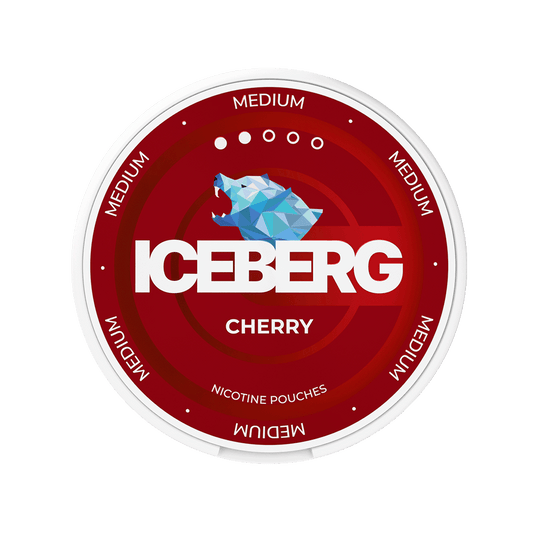
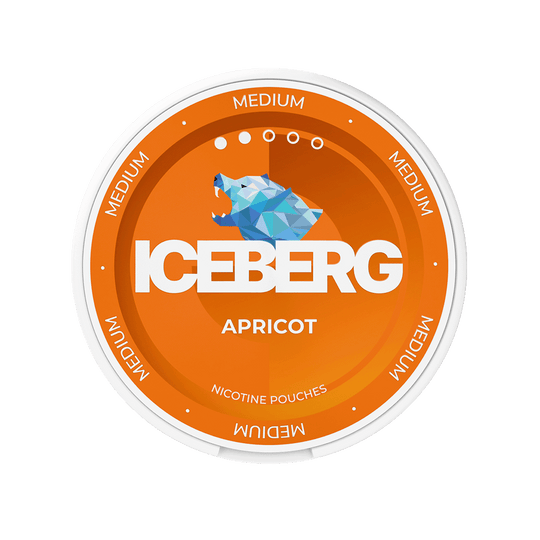
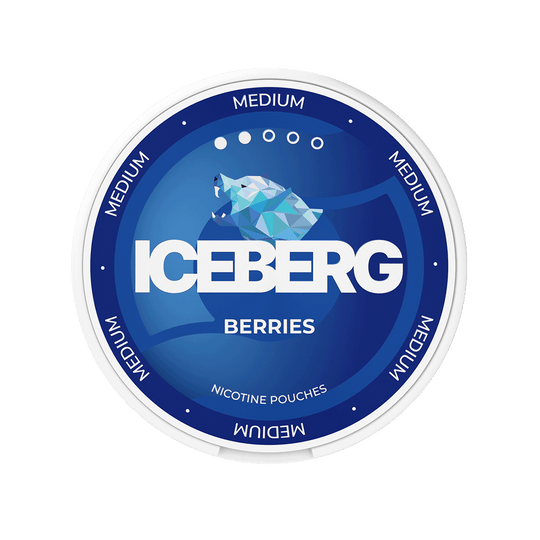
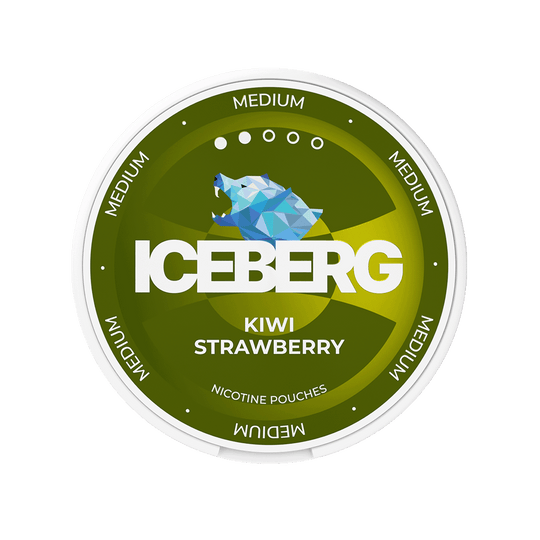
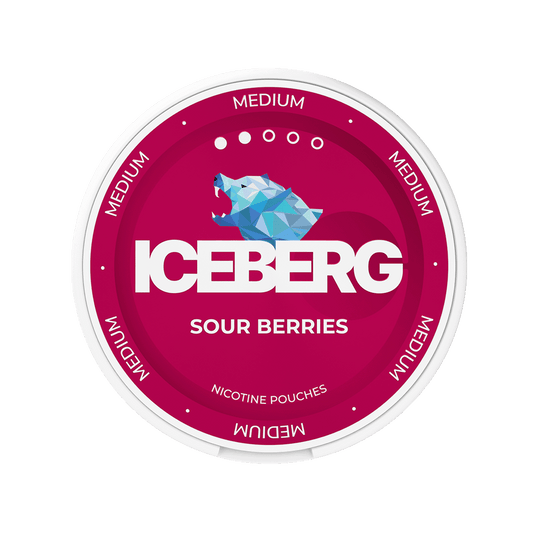
Here you’ll also find a selection of our most popular Nicotine Pouches:
Forms of nicotine
Nicotine isn’t just nicotine. The way nicotine appears in individual products and the method used to obtain it can vary considerably. There are more differences than you might expect at first glance. Nicotine can exist in different chemical forms and can either be extracted from the tobacco plant or produced synthetically.
You’ve probably come across terms like free nicotine, also called free base, or nicotine salt before. Some consumers are also familiar with terms like extracted or synthetic nicotine. Behind the different forms of nicotine are different ways nicotine is obtained, processed, and incorporated into a product. But before the raw material becomes one of these forms, it’s worth taking a quick look at what nicotine actually looks like in its pure form and what properties it has.
Pure / liquid nicotine — the raw material behind all products
Before nicotine can appear in one of the well-known nicotine products, it exists as a pure raw material. At room temperature, nicotine is an oily, colorless to slightly yellowish liquid with a characteristic, pungent odor. When it comes into contact with air, it oxidizes and quickly turns brownish. Its chemical properties are also crucial when handling the raw material. It is polar and highly water-soluble, which is why it is quickly absorbed through mucous membranes and skin. 7 For this exact reason, pure nicotine is not a substance for direct handling or consumption and is therefore not freely sold to consumers in Germany, but serves only as a raw material for the production of various products such as e-liquids, nicotine patches, gum, or Nicotine Pouches.
But how does this raw material become a finished product? The answer to that question depends first on the origin of the nicotine used.

Cigarettes, Nicotine Pouches, e-liquids, and nicotine patches contain nicotine, but differ in their form and use.
Nicotine production: Extracted or synthetic
How is the raw material obtained for further processing? The nicotine in nicotine pouches, liquids, and nicotine replacement products can be produced in two ways. Put simply, it is either extracted from the tobacco plant and then purified, or produced entirely synthetically in the laboratory, without tobacco as the starting material. Chemically, the same molecule is created in both cases. However, differences may arise in purity, production costs, and regulatory classification. What matters less is the origin of the nicotine and more the specific product and its legal area of use. 3, 22
Chemical forms of nicotine in products
Regardless of its origin, the key question is this: In what chemical form is the nicotine present in the finished product, and what does that mean for absorption in the body? Three forms are relevant in practice.
Free nicotine (Free Base)
Free nicotine is the unbound, alkaline base form of the molecule — nicotine, in a sense, in its unaltered form. This form is volatile and is absorbed exceptionally quickly through the lungs , which explains why a cigarette makes itself felt within seconds. Traditional cigarettes mainly deliver nicotine as free base. This very volatility is behind the immediate, hard-to-miss effect that many people associate with smoking.
Nicotine salt
When free nicotine reacts with an acid, usually benzoic acid or lactic acid, it forms a much more stable, less volatile compound known as nicotine salt. It is absorbed more evenly through the mucous membranes than free nicotine, and that is exactly what you notice when using it. That is why nicotine salt is used in many nicotine pouches and modern e-liquids. It feels noticeably smoother on the throat, and the nicotine hit is significantly more moderate than with free base.3 This difference can be especially relevant when switching to another product or for more sensitive users.23
Nicotine resinate
The third form takes a very different approach: here, nicotine is not simply bound in salt form, but coupled to an ion exchanger, a synthetic resin that holds the active ingredient like a sponge until it is needed. In pharmaceutical terms, this compound is called Nicotine Polacrilex. 25 The nicotine is bound to a polacrilin potassium resin and is only released when it is exchanged in the mouth for ions from saliva. With nicotine gum, for example, it is the chewing itself that starts this exchange.
You notice the result right away. Absorption through the oral mucosa is much slower and more even than with the other two forms, without the pronounced peaks and dips in effect that free nicotine or nicotine salt can bring. Traditionally, Nicotine Polacrilex is found in nicotine gums and lozenges from the pharmacy, but by now also in tobacco-free nicotine pouches such as the products from Helwit, which are based on pure Polacrilex, or in products from NOAT, which use blended forms with oat fibers.
Here you can find a selection of the most popular Helwit products:
The article Snus and Nicotine Pouches with Nicotine Polacrilex explains in detail how this special form of nicotine affects your experience.
| Product | Nicotine form | Onset |
|---|---|---|
| Cigarette | free nicotine (free base) from tobacco | very fast through the lungs |
| Nicotine Pouches and Snus | usually nicotine salt | Medium through the oral mucosa |
| E-liquid / vape | nicotine salt or free base | fast through the lungs |
| Nicotine gum and lozenges | nicotine resinate (Nicotine Polacrilex) | slow, controlled by chewing |
| Nicotine patch | free nicotine in an adhesive matrix | very slow and steady |
Special forms of nicotine and modified structural formula
Alongside established nicotine forms, products containing chemically modified nicotine analogues are also occasionally appearing on the market — meaning chemically related but slightly altered compounds such as 6-methylnicotine. 26 There are also different delivery formats such as pouches, strips, or sticks, which can mainly differ in how the active substance they contain is released and absorbed. When it comes to the effect, it is therefore not just the product name that matters, but also the Quantity it contains, the speed of release, and the subsequent absorption into the body. From a legal perspective, however, such new variants can play a special role, as the applicable regulations in some cases explicitly refer to nicotine or specific product categories. In the case of 6-methylnicotine, the chemical modification therefore has not only pharmacological significance, but regulatory significance as well.
The BfR points out that such products are seen, among other things, as an attempt to circumvent existing nicotine and tobacco regulations. 26 At the same time, these products cannot be classified legally in a blanket way, but instead depend on their specific composition and product category. 27
So there are different forms in which nicotine appears across various products — and this is a key factor in deciding which nicotine form is the best fit for you. If you'd like to know more about which nicotine forms are used in different products and what that specifically means for the effect, you can find more in the article Three nicotine forms in nicotine pouches and Snus.
Removing nicotine — getting rid of stains and residue
But nicotine is not just a matter of theoretical chemistry. It leaves real traces behind. Yellowish to brownish discoloration on fingers and teeth, as well as on walls, doors, and textiles, is a typical side effect of long-term smoking. However, nicotine alone is not responsible for this. Most of the discoloration comes from tar and other combustion products in tobacco smoke. Through oxidation — the chemical reaction with oxygen — nicotine does contribute to the brownish discoloration, but it is by no means the main cause.
Which removal method works best mainly depends on where the residue is located. For yellow fingers, thorough washing and mild cleaning products can help, while superficial discoloration on teeth is best removed professionally. Depending on the material, suitable cleaning products can be used on woodchip wallpaper, furniture, and other surfaces. If walls are heavily yellowed, simply wiping them down is often no longer enough. In that case, you need a stain-blocking primer before repainting to prevent the discoloration from bleeding through the new coat of paint.
And then there’s the smell. It can settle deep into textiles, wallpaper, or car upholstery and often lingers long after the visible discoloration has disappeared.
If you want to get rid of nicotine stains on walls, furniture, or textiles, you can find more in the article How to remove nicotine stains properly - tips and tricks specific tips and suitable home remedies. You can find out which Medium can in turn help with yellow fingers in the article Yellow Fingers from Smoking - What Really Helps Against Smoker’s Fingers.
Nicotine — Facts & Curiosities
Where the name comes from
The namesake of the active substance and at the same time of the Nicotiana plant genus is the French diplomat Jean Nicot, who made tobacco known in France in the 16th century. As an envoy at the Portuguese court, he became familiar with the plant in Lisbon, which at the time was said to have wondrous healing powers, and in 1560 he sent the first tobacco seeds to Paris. As a result, tobacco became known at the French court above all as the “Queen’s powder”: the regent herself developed a strong liking for sniffing tobacco. 28
Nicotine as a pesticide and its EU ban
The fact that the tobacco plant produces nicotine as a natural defense against insects was something people took advantage of for a long time. For centuries, nicotine-containing extracts were deliberately used as insecticides, for example to keep aphids away from crops. As knowledge of the risks to humans and the environment grew, its use as a pesticide has now been banned in the EU. 4 This very toxicity also has consequences in everyday life with pets. Nicotine products such as cigarette butts and used Nicotine Pouches can be dangerous for pets, especially dogs and cats, if they mistake the waste for food. Nicotine products of any kind, whether used or unused, should therefore always be kept out of animals’ reach. 29
Do eggplants, tomatoes and potatoes contain nicotine?
Yes, they actually do. Eggplants, tomatoes and potatoes belong to the nightshade family, just like the tobacco plant, and also contain small amounts of nicotine. However, this has hardly anything to do with the Nicotine content of a cigarette. One study found values of around 100 µg/kg for fresh eggplants. 9 Another investigation found average levels of 7.3 µg/kg in tomatoes and around 15 µg/kg fresh weight in potatoes, for example. 30
Can you become addicted to nicotine from eating too much vegetables? The reassuring answer is: absolutely not. To reach an amount of nicotine in the range of the total content of a cigarette (around 10 to 14 mg), you would have to eat an exceptionally large Quantity of vegetables. For eggplants, that would be around 100 to 140 kg. For tomatoes and potatoes, whose Nicotine content is even lower, the required Quantity would be even greater and far beyond what you would consume as part of a normal meal or even a very vegetable-rich diet. The comparison makes it clear just how low the natural amount of nicotine in vegetables is compared to tobacco products. From a health perspective, nicotine from vegetables therefore plays no relevant role in a normal diet.

Eggplant, tomato, and potato naturally contain small amounts of nicotine — but far less than cigarettes or Nicotine Pouches.
| Product | Nicotine content |
|---|---|
| Eggplant (1 kg) | ~100 µg |
| Tomato (1 kg) | ~7.3 µg |
| Potato (1 kg) | ~15 µg |
| Cigarette | ~10–14 mg |
| Nicotine Pouches (Medium) | 6–9 mg |
Conclusion: What you should know about nicotine
Nicotine is an alkaloid that the tobacco plant originally developed as a natural defense against predators. In the human body, however, it has a very different effect: it binds to receptors in the brain that normally respond to the body’s own messenger substance, acetylcholine. Among other things, this activates the reward system and releases dopamine. It is precisely this effect that significantly contributes to nicotine having a high potential for dependence. 6
If you want to understand nicotine and assess its health effects, it’s important to keep two things in mind at the same time. Nicotine is not harmless, but it is also not responsible for all of the health damage caused by smoking. The particularly severe consequences of tobacco smoking are mainly caused by the many other harmful substances in tobacco smoke, of which more than 5,300 different compounds are known. 2 Nicotine itself is still addictive, affects the cardiovascular system, and is associated with health risks such as atherosclerosis, type 2 diabetes, and certain cancers. 1, 3
But the effects of nicotine also can’t be reduced to a simple formula. Factors such as the dose, the route of absorption, and the speed of absorption are crucial. Whether nicotine is smoked, absorbed through the oral mucosa, or delivered through the skin, its path into the body differs — and with it, how quickly and intensely the effects set in.
In the end, nicotine remains what it has always been chemically: an effective, but also complex, active substance. It is neither the harmless stimulant it is often marketed as, nor the pure harmful agent it is often condemned as. If you understand this ambivalence, you can better assess for yourself which form, which dose, and which approach fit your own situation. This knowledge is the basis for every conscious decision you make — whether it’s about switching, cutting back, or simply understanding more clearly what actually happens in the body during use.
Sources
- DKFZ (Deutsches Krebsforschungszentrum): Wie wirkt Nikotin auf die Gesundheit und was macht E-Zigaretten und E-Shishas riskant?(Last accessed on 10.09.2026)
- DKFZ: „Rauchstopp"(Last accessed on 07.09.2026)
- BfR (Bundesinstitut für Risikobewertung): E-Zigaretten — alles andere als harmlos(Last accessed on 10.09.2026)
- AOK Magazin: Nikotin und seine Wirkung auf Gehirn und Körper(Last accessed on 10.09.2026)
- SUPRO – Stiftung Maria Ebene: Was ist Nikotin?(Last accessed on 10.09.2026)
- dasgehirn.info (wiss. Betreuung: Dr. Stefan Gutwinski): Steckbrief Nikotin(Last accessed on 10.09.2026)
- UA-BW / CVUA Stuttgart: Nikotin in Lebensmitteln(Last accessed on 10.09.2026)
- Barik J (2009): Nicotine and the Brain, PubMed PMID 19184650(Last accessed on 10.09.2026)
- Siegmund, B.; Leitner, E.; Pfannhauser, W.: Determination of the Nicotine Content of Various Edible Nightshades (Solanaceae) and Their Products and Estimation of the Associated Dietary Nicotine Intake, Journal of Agricultural and Food Chemistry(Last accessed on 10.09.2026)
- BfR: Gesundheitliche Bewertung von Nikotinbeuteln (Nikotinpouches)(Last accessed on 10.09.2026)
- drugcom.de (BZgA-nah): Alles über Nikotin(Last accessed on 10.09.2026)
- chemie.de: Nikotin(Last accessed on 10.09.2026)
- Kandola, A.: Does nicotine affect muscle growth? Medical News Today(Last accessed on 10.09.2026)
- Mishra, A. et al.: Harmful effects of nicotine, Indian Journal of Medical and Paediatric Oncology(Last accessed on 10.09.2026)
- DocCheck Flexikon: Nikotin, DocCheck Medical Services GmbH(Last accessed on 10.09.2026)
- SYNLAB MVZ Labor München Zentrum: Leistungsverzeichnis, Eintrag COTU (Cotinin im Urin)(Last accessed on 10.09.2026)
- Helios Park-Klinikum Leipzig: 3.000 Long-COVID Betroffene informieren sich über neue Nikotinpflastertherapie(Last accessed on 10.09.2026)
- ToxDocs (2020): Nikotin. toxdocs.de(Last accessed on 10.09.2026)
- MSD Manuals (2025): Smoking Cessation. MSD Manual Consumer Version(Last accessed on 10.09.2026)
- Lungenärzte im Netz: Nikotinsucht – Therapie(Last accessed on 10.09.2026)
- Tiefenböck, F.; Fux, C. (2026): Zigaretten und andere Tabakwaren: Inhaltsstoffe und Schadstoffe. netDoktor.at(Last accessed on 10.09.2026)
- Berman et al. (2023): Synthetic Nicotine: Science, Global Legal Landscape, and Regulatory Considerations. World Health Organization Technical Report(Last accessed on 10.09.2026)
- Christen et al. (2024): Pharmacokinetics and Pharmacodynamics of Inhaled Nicotine Salt and Free-Base(Last accessed on 10.09.2026)
- snuzone – Nicotine Polacrilex im Snus und Nikotinbeutel(Last accessed on 10.09.2026)
- Drugs.com (2026): Leader Nicotine Polacrilex (gum, lozenge)(Last accessed on 10.09.2026)
- BfR: 6-Methylnikotin in E-Zigaretten: Unzureichende Datenlage-BfR beteiligt sich an Untersuchung des Suchtpotenzials(Last accessed on 10.09.2026)
- Bundesministerium der Justiz und für Verbraucherschutz: Tabakerzeugnisgesetz – TabakerzG(Last accessed on 10.09.2026)
- BR (Bayerischer Rundfunk): Die Tabakpflanze – Der Siegeszug des Tabaks(Last accessed on 10.09.2026)
- PETPROTECT: Gefahren für Hunde und Katzen im Haushalt(Last accessed on 10.09.2026)
- Davis, R. A.; Stiles, M. F.; deBethizy, J. D.; Reynolds, J. H.: Dietary Nicotine: A Source of Urinary Cotinine, Food and Chemical Toxicology(Last accessed on 10.09.2026)
- Gesundheit.gv.at (2026): Acetylcholin(Last accessed on 10.09.2026)
- Deutsches Krebsforschungszentrum (DKFZ): „Jeder siebte Todesfall ist eine Folge des Rauchens – neuer Tabakatlas des Deutschen Krebsforschungszentrums erschienen“ (2025). (Last accessed on 19.08.2026)





Leave a comment